
If you are dealing with jaw pain, clicking sounds, or difficulty opening your mouth, you are not alone. Problems related to the temporomandibular joint can quietly affect your daily life. Eating becomes uncomfortable, speaking feels strained, and even simple movements like yawning can trigger discomfort.
Understanding TMJ physical therapy is one of the most effective ways to manage and treat these issues without jumping straight to invasive procedures. Many patients are surprised to learn that targeted therapy can significantly reduce pain and restore normal jaw function.
This guide explains the most effective TMJ physical therapy techniques, how they work, and when they are recommended, all in a clear, patient-focused way.
What Is TMJ Physical Therapy
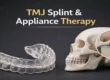
TMJ physical therapy is a structured treatment approach designed to restore normal movement and reduce pain in the temporomandibular joint. This joint connects your jaw to your skull and plays a critical role in everyday activities like chewing and speaking.
When this joint becomes inflamed or misaligned, it leads to TMJ disorders. Instead of only treating symptoms, TMJ therapy focuses on correcting the root cause by improving muscle balance, joint alignment, and movement patterns.
What Causes TMJ Disorders
TMJ disorders rarely come from a single issue. In most cases, they develop due to a combination of stress, muscle tension, and structural imbalance.
Common contributing factors include:
- Teeth grinding or clenching
- Jaw misalignment
- Injury or trauma
- Arthritis affecting the joint
- Chronic stress leading to muscle tension
Over time, these factors place continuous pressure on the joint, leading to inflammation and restricted movement.
Symptoms That Indicate You Need TMJ Physical Therapy
Many patients ignore early symptoms because they seem minor at first. However, these signs often indicate underlying dysfunction.
You may need physical therapy and TMJ treatment if you notice:
- Persistent jaw pain or tightness
- Clicking or popping sounds
- Difficulty opening or closing your mouth
- Pain while chewing
- Headaches or ear discomfort
When treated early, TMJ treatment physical therapy can prevent long-term complications and reduce the need for advanced procedures.
How TMJ Physical Therapy Works
The goal of therapy is simple. Restore balance, reduce pain, and improve function.
Treatment begins with a detailed assessment of your jaw movement, muscle condition, and posture. Based on this, a personalized plan is created using proven TMJ physical therapy techniques.
Instead of relying on medication alone, therapy retrains how your jaw moves and functions. This leads to more stable, long-term results.
Core TMJ Physical Therapy Techniques
Manual Therapy
Manual therapy involves hands-on techniques used to improve joint mobility. A trained specialist gently moves the jaw and surrounding muscles to reduce stiffness and improve the range of motion.
This is especially helpful for patients experiencing tightness or jaw locking.
Jaw Exercises and Movement Training
Exercises are essential in TMJ therapy. They help strengthen the muscles and retrain proper movement patterns.
Patients are guided through controlled exercises that improve coordination and reduce strain on the joint. Over time, this restores normal jaw function.
Posture Correction
Posture plays a major role in TMJ disorders. Poor posture, especially forward head positioning, places extra pressure on the jaw.
Improving posture reduces stress on the joint and supports long-term recovery. This is a key part of TMJ treatment physical therapy.
Soft Tissue Therapy
This technique focuses on relieving tight muscles in the face, neck, and jaw. Trigger point therapy is often used to release tension and improve circulation.
It helps reduce pain and allows the muscles to function more naturally.
Advanced Modalities
In some cases, additional treatments such as ultrasound or electrical stimulation are used. These techniques reduce inflammation and promote faster healing.
TMJ Physical Therapy Techniques and Benefits
| Technique | Purpose | Result |
| Manual Therapy | Improve mobility | Reduced stiffness |
| Jaw Exercises | Strengthen muscles | Better coordination |
| Posture Training | Correct alignment | Less joint stress |
| Soft Tissue Therapy | Release tension | Pain relief |
| Advanced Modalities | Promote healing | Faster recovery |
The Role of Advanced Dental Support
While physical therapy is highly effective, some cases require additional support. Dental evaluation ensures no structural issues are contributing to TMJ dysfunction.
Patients experiencing severe symptoms may benefit from professional TMJ pain relief to address both muscular and joint-related concerns.
In complex cases, imaging plays an important role. Advanced diagnostics like CBCT scan dental help identify joint misalignment or internal damage that may not be visible otherwise.
How Long Does TMJ Physical Therapy Take
The timeline varies depending on the severity of the condition. Some patients notice improvement within a few sessions, while others require a longer treatment plan.
Consistency is the most important factor. Patients who follow their exercise routine and attend sessions regularly tend to see faster and more lasting results.
Can TMJ Physical Therapy Replace Other Treatments
In many cases, yes. Physical therapy is often the first recommended approach because it is non-invasive and focuses on long-term improvement.
However, it may be combined with other treatments when needed. Patients with underlying dental issues may benefit from family dental care to address contributing factors such as bite alignment or tooth damage.
When Should You Seek Professional Help
Ignoring TMJ symptoms can lead to worsening discomfort and long-term complications.
You should consider professional TMJ therapy if:
- Pain continues for more than a few weeks
- Jaw locking becomes frequent
- Symptoms interfere with daily activities
- Home remedies are not effective
Early treatment leads to better outcomes and prevents further damage.
Lifestyle Changes That Support TMJ Recovery
Physical therapy works best when combined with supportive lifestyle habits. Small adjustments can make a significant difference in recovery.
Focus on:
- Avoiding hard or chewy foods
- Practicing stress management
- Maintaining proper posture
- Reducing jaw clenching habits
These changes enhance the effectiveness of TMJ physical therapy techniques and help prevent recurrence.
TMJ Physical Therapy vs Other Treatment Options
| Treatment | Approach | Best Use |
| Physical Therapy | Muscle and joint rehab | Mild to moderate cases |
| Medication | Pain relief | Short-term use |
| Dental Appliances | Bite correction | Grinding cases |
| Surgery | Structural repair | Severe conditions |
Physical therapy remains the most conservative and effective long-term solution for most patients.
Frequently Asked Questions
Is TMJ physical therapy painful?
No. Most techniques are gentle and designed to relieve discomfort. Patients usually feel improvement quickly.
How effective is TMJ physical therapy?
It is highly effective when performed consistently and tailored to the patient’s condition.
Can exercises alone fix TMJ?
Exercises help significantly, but combining them with manual therapy produces better results.
Do I need imaging before therapy?
Not always. However, imaging may be recommended in complex cases.
How do I know if I need TMJ therapy?
If you have persistent pain, clicking, or limited movement, therapy is likely beneficial.
TMJ Physical Therapy in Cedar Knolls, NJ
Patients in Cedar Knolls have access to advanced and personalized care for TMJ disorders. Treatment plans are tailored to each patient, combining physical therapy with modern dental support when necessary.
For long-term results, working with an experienced Cedar Knolls dentist ensures that both symptoms and root causes are addressed effectively.
Final Thoughts
TMJ disorders can affect your comfort, daily routine, and overall well-being. The good news is that effective, non-invasive solutions are available.
TMJ physical therapy provides a structured, proven approach to reducing pain, improving mobility, and restoring normal function. With the right treatment plan and consistency, most patients experience lasting relief.
If you are experiencing jaw discomfort, clicking, or stiffness, do not ignore it. Early intervention makes treatment simpler and more effective.
A personalized TMJ treatment physical therapy plan can help you regain comfort, improve function, and protect your long-term oral health.