I’m Dr. Syed Irfan Zaidi, a dentist at The Advanced Dental Center of Cedar Knolls, NJ. I’m passionate about helping patients achieve healthy, confident smiles through personalized dental care.
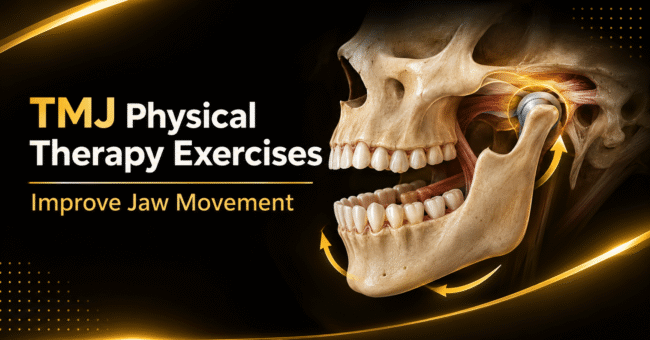
Gentle TMJ physical therapy exercises can help improve jaw mobility, reduce muscle tightness, and make everyday movements such as chewing, speaking, and opening the mouth more comfortable. Common exercises focus on controlled jaw opening, relaxed movement, tongue positioning, and gentle resistance rather than forcing the joint through a large range of motion. The right exercises…
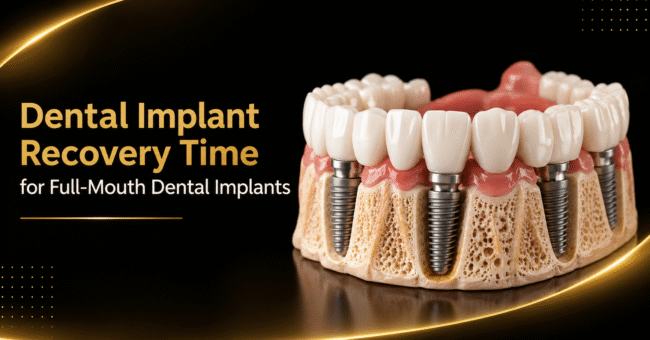
The dental implant recovery time for full-mouth dental implants usually involves two different phases: early recovery of the gums and a much longer period of bone healing. Many patients feel noticeably better within 1 to 2 weeks, but complete osseointegration, where the jawbone bonds with the implants, can take around 3 to 6 months or…
Recovery after dental implants same day depends on protecting the surgical area, following your dentist’s instructions, maintaining good oral hygiene, and allowing enough time for your body to heal. Same-day treatment can allow an implant to be placed and, in suitable cases, a temporary tooth to be attached during the same visit. However, the implant…
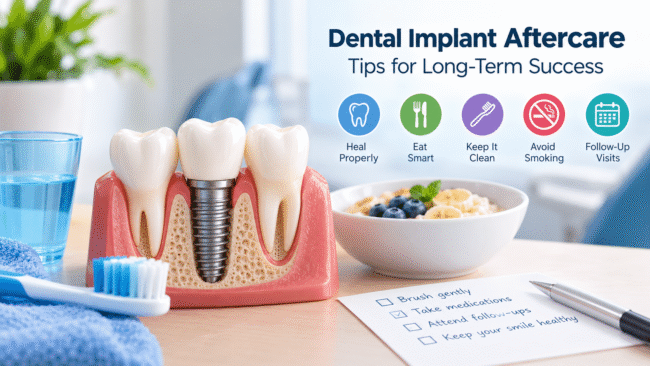
Successful dental implants depend on more than the procedure itself. Proper dental implant aftercare helps protect the surgical site, support healing, and give the implant the best opportunity to integrate with the jawbone. In the first few days, patients need to focus on protecting the area, controlling swelling, maintaining appropriate oral hygiene, and following their…
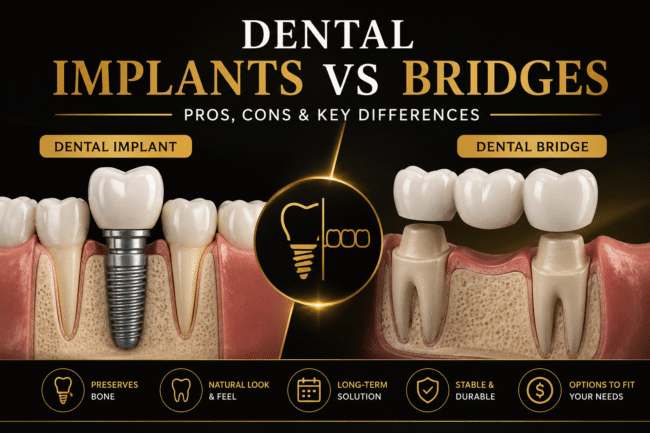
Losing a tooth does not mean you have to live with a visible gap or difficulty chewing. The two common fixed options are dental implants vs bridges, but they solve tooth loss in different ways. A dental bridge replaces a missing tooth by using neighboring teeth for support, while an implant replaces the tooth root…
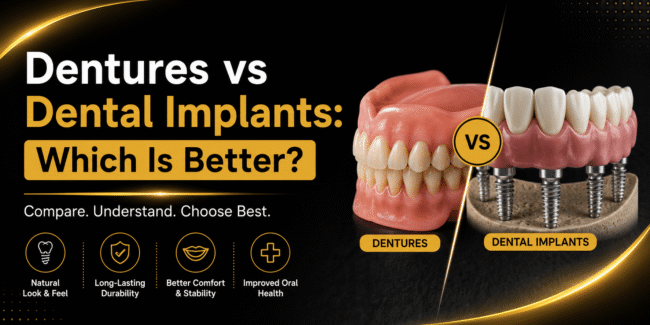
For most patients, dentures vs dental implants is not a simple matter of choosing the “better” treatment. Dental implants generally provide greater stability, a more natural chewing experience, and long-term support for the jawbone, while dentures can be a practical option for replacing several or all missing teeth without implant surgery. The right choice depends…
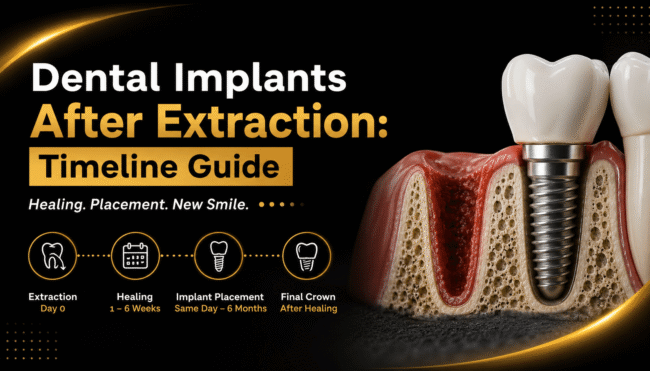
If you’ve just had a tooth pulled or you’re facing an extraction soon, you’re probably wondering how fast you can get a dental implant in that spot. The honest answer: it depends on your bone health, gum tissue, and how the extraction site heals, but most patients fall into one of three timelines immediate placement,…
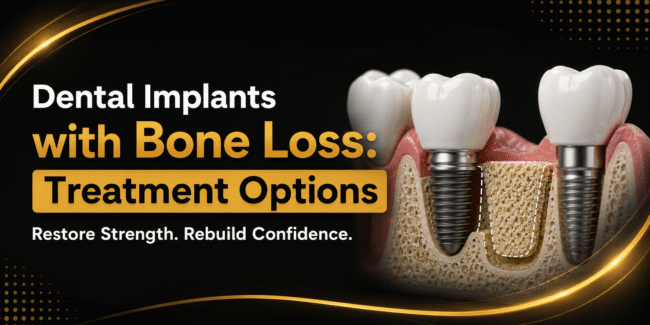
Losing bone in the jaw does not automatically mean you cannot have dental implants. Dental implants with bone loss are often possible, but the treatment plan depends on how much bone remains, where the bone loss has occurred, and the condition of the surrounding tissues. In many cases, a dentist or oral surgeon can rebuild…
Losing a back tooth affects much more than your smile. A missing molar changes how you chew, shifts pressure onto neighboring teeth, and gradually leads to bone loss in the jaw. Dental implants for molars are considered the most effective long-term solution because they replace both the tooth root and the visible crown, restoring strength,…
Losing a front tooth affects far more than your smile. It can change the way you speak, make eating uncomfortable, and leave you feeling self-conscious in social and professional situations. Because front teeth are the most visible part of your smile, replacing them requires more than simply filling a gap. The replacement needs to look…