
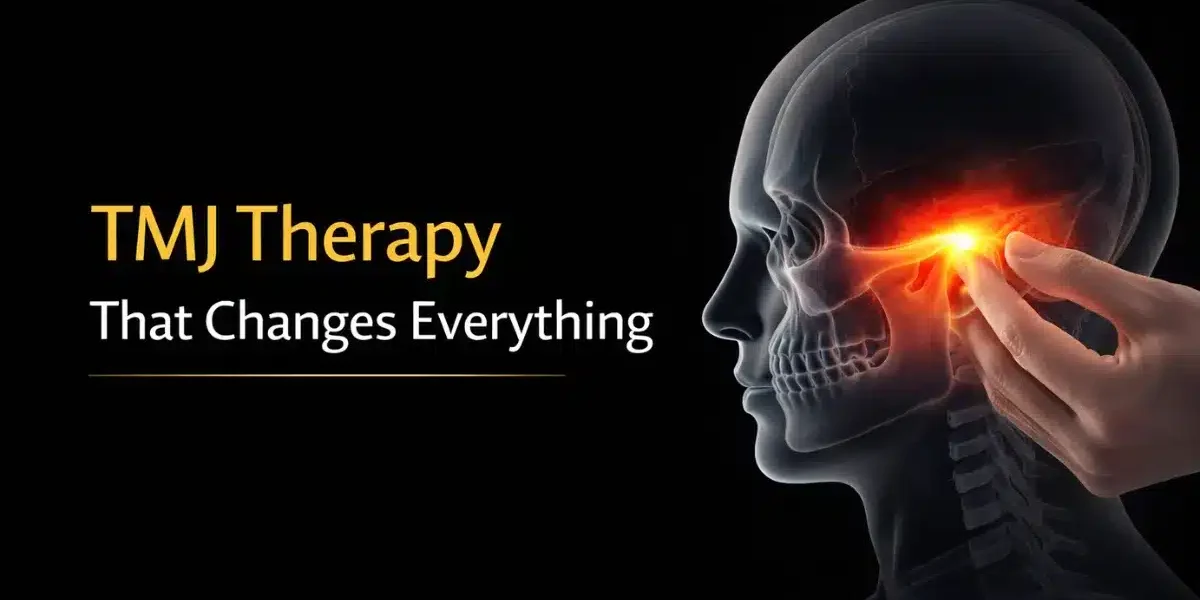
TMJ syndrome, also known as temporomandibular joint disorder, affects thousands of people worldwide. It can cause jaw pain, headaches, earaches, and difficulty eating or speaking. While the causes are multifactorial, ranging from stress to misalignment, physical therapy for TMJ syndrome provides a non-invasive and highly effective solution to relieve symptoms and restore proper jaw function.
Understanding how the temporomandibular joint works, recognizing the symptoms of dysfunction, and following a structured therapy plan are crucial for achieving long-term relief. This comprehensive guide covers everything from causes and symptoms to techniques, exercises, lifestyle adjustments, and frequently asked questions.
What Is TMJ Syndrome
TMJ syndrome occurs when the temporomandibular joint, which connects the jaw to the skull, becomes inflamed, misaligned, or stressed. The joint allows you to chew, speak, and move your jaw in multiple directions. Dysfunction can result in pain, restricted jaw movement, and muscle tension that extends into the neck and shoulders.
Physical therapy for TMJ pain is designed to restore joint mobility, reduce muscular tension, and improve overall jaw function. The therapy focuses on non-invasive methods and conservative care before considering surgical interventions.
TMJ syndrome can also affect posture and overall body mechanics. The jaw is connected to the cervical spine through muscles and fascia, meaning jaw dysfunction can contribute to neck stiffness, shoulder tension, and even headaches. Treating the joint holistically through physical therapy for TMJ dysfunction ensures the entire musculoskeletal system functions in harmony.
Causes of TMJ Syndrome
TMJ syndrome rarely results from a single cause. Instead, multiple factors contribute to the disorder. Common causes include:
- Teeth grinding or clenching (bruxism), often linked to stress or anxiety
- Jaw misalignment due to genetics, orthodontic treatments, or previous dental procedures
- Trauma or injury from accidents, sports, or falls
- Arthritis affects the joint structure
- Poor posture, particularly forward head posture and slouched shoulders
- Chronic stress that increases muscle tension in the jaw and surrounding areas
Identifying the root cause is essential for effective physical therapy for TMJ syndrome, because customized interventions directly address the contributing factors rather than just alleviating symptoms.
Common Symptoms of TMJ Dysfunction
Symptoms can vary in severity, intensity, and frequency. Patients often experience:
- Jaw pain or stiffness that worsens with chewing or speaking
- Clicking, popping, or grinding sounds when opening or closing the mouth
- Difficulty opening or closing the mouth fully
- Pain while chewing or biting
- Headaches, earaches, or facial pain that may radiate into the neck
- Muscle tenderness in the jaw, neck, or shoulder areas
- Sensitivity to touch around the temporomandibular joint
Early intervention with treating TMJ physical therapy can prevent symptoms from worsening and reduce the likelihood of chronic issues that may require invasive treatments.
How Physical Therapy for TMJ Syndrome Works
The primary goal of therapy is to restore proper jaw movement, reduce pain, and address the underlying causes of dysfunction. A typical physical therapy program involves multiple components, often combined to maximize outcomes:
- Comprehensive Assessment
Patients undergo a detailed evaluation of jaw mobility, muscle condition, posture, bite alignment, and functional limitations. This assessment helps therapists design a tailored program that targets both symptoms and underlying causes. - Targeted Exercises
Strengthening and stretching exercises focus on the muscles responsible for jaw motion. Exercises aim to improve coordination, reduce tension, and restore normal joint function. These exercises are safe, progressive, and often performed daily at home. - Manual Therapy
Hands-on techniques, including soft tissue mobilization, myofascial release, and gentle joint mobilizations, improve flexibility, release tight muscles, and increase joint mobility. Manual therapy complements exercises for optimal results. - Posture and Lifestyle Education
Improper posture, sleep positions, and daily habits can exacerbate TMJ stress. Therapists provide guidance on correct sitting posture, ergonomic adjustments, and lifestyle modifications that support long-term joint health. - Adjunctive Modalities
Heat therapy, ultrasound, and electrical stimulation may be used to reduce inflammation, improve blood flow, and relieve muscle tension. These modalities complement exercises and manual therapy to enhance recovery.
By combining assessment, exercises, manual therapy, and education, physical therapy for TMJ addresses both immediate symptoms and long-term functional improvements.
Core Physical Therapy Techniques
Manual Therapy
Manual therapy involves hands-on techniques designed to improve joint mobility and relieve muscle tension. Techniques include gentle joint mobilizations, soft tissue massage, and trigger point release. Patients often experience immediate relief from stiffness and improved range of motion after several sessions.
Jaw Exercises
Exercises form the cornerstone of therapy. They are designed to strengthen jaw muscles, improve coordination, and reduce tension. Common exercises include:
- Controlled opening and closing of the mouth
- Lateral jaw movements to improve side-to-side mobility
- Resistance exercises to strengthen the masseter and temporalis muscles
- Stretching exercises for the jaw, neck, and shoulders
Performing these exercises consistently supports long-term improvement and reduces the risk of recurrence.
Posture Correction
Forward head posture and slouched shoulders can place extra strain on the jaw joint. Therapists work with patients to correct posture through ergonomic education, stretching, and strengthening exercises for the neck and upper back.
Soft Tissue Therapy
Soft tissue therapy focuses on releasing tight muscles around the jaw, neck, and shoulders. Techniques include myofascial release, massage, and trigger point therapy. This improves circulation, reduces inflammation, and allows the jaw to move more freely.
Advanced Modalities
In some cases, adjunctive treatments such as ultrasound, heat therapy, or electrical stimulation are applied to reduce inflammation, relieve pain, and enhance recovery. These treatments complement exercises and manual therapy for faster and more comfortable recovery.
Table: Physical Therapy Techniques for TMJ Syndrome
| Technique | Purpose | Benefits |
| Manual Therapy | Mobilize joint | Reduce stiffness, improve range of motion |
| Jaw Exercises | Strengthen muscles | Enhance coordination, reduce tension |
| Posture Correction | Improve alignment | Reduce strain on TMJ and neck |
| Soft Tissue Therapy | Release tight muscles | Relieve pain, improve circulation |
| Advanced Modalities | Reduce inflammation | Enhance recovery, provide comfort |
Lifestyle Modifications to Support Therapy
Successful physical therapy is supported by changes to daily habits. Patients are advised to:
- Avoid chewing hard, sticky, or tough foods
- Limit gum chewing or habits that strain the jaw
- Practice relaxation and stress management techniques
- Sleep in positions that support jaw alignment
- Take frequent breaks from prolonged desk work
These adjustments reduce stress on the temporomandibular joint and enhance therapy effectiveness.
Frequency and Duration of Therapy
Treatment duration varies based on severity. Most patients require multiple sessions per week over 6 to 12 weeks. Exercises are typically performed daily at home to reinforce progress.
Consistency is key. Patients who adhere to therapy protocols experience more sustainable results and fewer relapses. Combining clinic sessions with home exercises ensures comprehensive recovery.
When Physical Therapy Is Combined With Other Treatments
In some cases, physical therapy is most effective when combined with other interventions:
- Dental appliances or splints to correct bite issues
- Behavioral therapy for bruxism and stress management
- Collaboration with a dentist to address structural or orthodontic concerns
This integrated approach ensures that physical therapy for TMJ dysfunction addresses both symptoms and the root causes of the disorder.
Case Examples
Consider a patient who experiences severe jaw pain due to teeth clenching. After initial evaluation, a physical therapist recommends manual therapy, jaw exercises, and posture correction. Within four weeks, the patient reports reduced pain, improved opening range, and less tension in the neck.
Another patient with TMJ pain caused by poor posture and chronic stress benefits from a combination of soft tissue therapy, stress management techniques, and ergonomic adjustments. By the eighth week, the patient experiences minimal discomfort and can chew normally.
These examples illustrate how therapy can be tailored to address multiple contributing factors and produce measurable improvements.
Frequently Asked Questions
Is physical therapy painful?
Techniques are designed to relieve discomfort gradually. Some mild soreness may occur initially but subsides with consistent therapy.
How effective is therapy?
Very effective. Patients who combine clinic sessions with home exercises and lifestyle adjustments see significant improvement in pain, mobility, and function.
Can therapy prevent surgery?
Yes. Many patients avoid invasive procedures through consistent and well-guided physical therapy.
Do exercises alone work?
Exercises are helpful, but combining them with manual therapy produces the best outcomes.
How soon will I see improvement?
Some patients notice relief within weeks, but full recovery may take several months, depending on severity and adherence to the program.
Choosing Physical Therapy for TMJ Syndrome
Early intervention with physical therapy for TMJ pain is essential for reducing symptoms and preventing chronic issues. Patients should seek care at the first signs of jaw pain, clicking, or stiffness. A professional evaluation ensures an individualized treatment plan addressing both symptoms and contributing factors.
Consistency, adherence to exercises, and lifestyle modifications are key. Patients who follow their therapy plan fully often achieve long-lasting relief without the need for invasive treatments.
Final Thoughts
TMJ syndrome can significantly impact daily life, but effective treatment is available through structured physical therapy for TMJ dysfunction. Therapy focuses on pain relief, restoring function, and preventing future problems.
Patients benefit from a combination of manual therapy, exercises, posture correction, soft tissue therapy, and advanced modalities. Consistency and early intervention are crucial for achieving long-term results.
By understanding the disorder and committing to a comprehensive therapy plan, patients regain control, reduce pain, and improve quality of life. If you experience jaw pain, clicking, or stiffness, professional physical therapy for TMJ syndrome is a highly recommended first-line approach to treatment.