A damaged or weakened tooth does not always need extraction. In many cases, a dental crown is the best way to restore strength, function, and comfort. Among the many crown materials available today, gold crowns remain one of the most reliable options in modern dentistry.
If you are researching the pros and cons of gold crowns, you are likely deciding which crown material will last the longest, protect your tooth best, and suit your oral health needs. Patients who visit a dentist often ask whether gold crowns are still relevant when tooth-colored options are available. The answer depends on function, bite force, and long-term expectations.
Gold crowns have been used for over a century and are still recommended by dentists for specific situations where durability matters more than appearance. This guide explains what a gold dental crown is, when it is recommended, how the gold crown procedure works, and how it compares to other restorative options.
What Is a Gold Dental Crown?
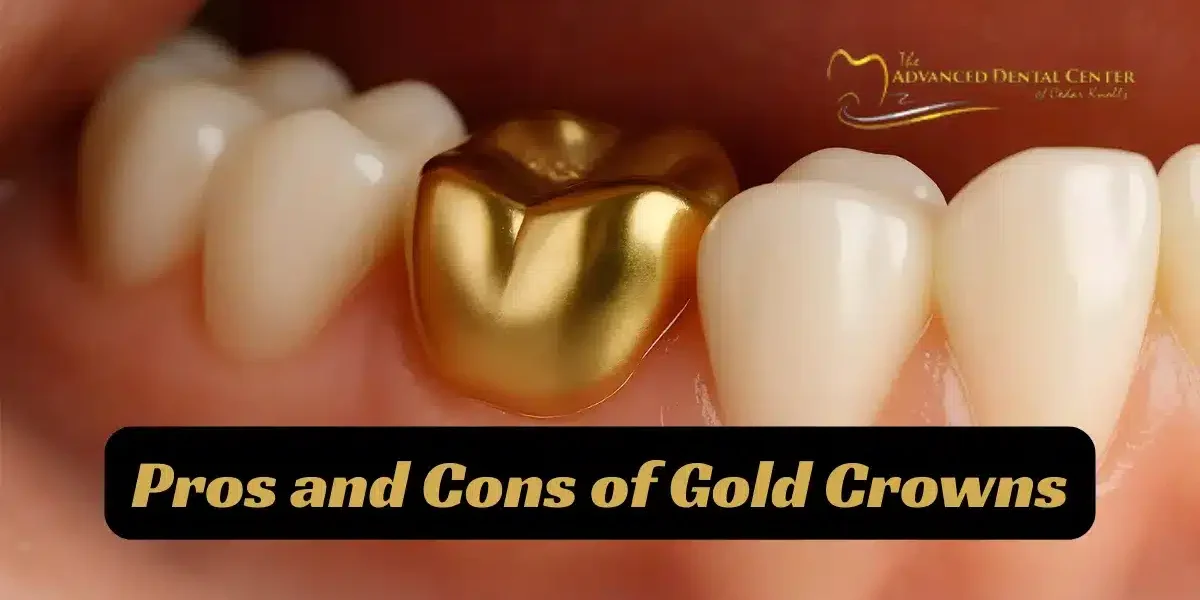
A gold dental crown is a full-coverage restoration made from a gold alloy that fits over a damaged tooth. Despite the name, it is not made of pure gold. Dental gold is often mixed with other metals, such as platinum or palladium, to enhance its strength and durability.
This combination creates a material that resists corrosion, withstands chewing pressure, and fits precisely around the tooth. Because of this accuracy, gold crowns are often chosen for molars where heavy chewing occurs, and appearance is less visible.
A gold tooth crown is commonly used when a tooth has extensive damage, fractures, or large restorations that can no longer support a filling or bonding treatment, like teeth bonding.
Why Dentists Still Recommend Gold Crowns
Modern dentistry offers many crown materials, yet gold crowns continue to be recommended in specific clinical situations. Organizations like the American Dental Association and research published through PubMed consistently highlight gold alloys as one of the most predictable materials for long-term restorations.
Dentists recommend gold crowns because they:
- Fit extremely well with minimal gaps
- Preserve more natural tooth structure
- Resist cracking and chipping
- Are gentle on opposing teeth
- Have excellent biocompatibility
For patients who grind their teeth or have strong bite pressure, gold is often safer than porcelain or ceramic materials. Patients who have required TMJ pain relief may also benefit from restorations that reduce stress on the jaw joints.
Pros of Gold Crowns
Understanding the advantages helps patients decide whether gold is the right choice for their situation.
Exceptional Durability
Gold crowns are known to last decades when properly cared for. They resist fractures better than ceramic crowns and maintain their structure under constant chewing pressure.
Precise Fit
Gold alloys can be molded with high accuracy. This allows a tight seal around the tooth, reducing the risk of decay under the crown and protecting the tooth long term.
Minimal Tooth Removal
Compared to porcelain/ceramic dental crowns, gold crowns require less tooth reduction. Preserving natural tooth structure is a key principle of modern dentistry.
Gentle on Opposing Teeth
Gold wears similarly to natural enamel. This reduces damage to the opposing teeth compared to harder materials.
Biocompatible Material
Gold rarely causes allergic reactions or gum irritation. This makes it ideal for patients with sensitivities to other metals.
Low Maintenance
Gold crowns do not stain, chip easily, or require special care beyond routine oral hygiene and regular dental visits.
Cons of Gold Crowns
While gold crowns offer many benefits, they are not ideal for every patient.
Visible Appearance
Gold does not match the natural color of teeth. This makes it unsuitable for front teeth or areas visible when smiling.
Cosmetic Preferences
Many patients prefer tooth-colored options like permanent veneers or ceramic crowns for aesthetic reasons.
Limited Use Cases
Gold crowns are best suited for back teeth. Patients seeking smile enhancement may benefit more from treatments such as porcelain veneers, with before and after results.
When Is a Gold Crown the Best Option?
A gold crown is often recommended when:
- A molar has a large fracture or restoration
- The tooth has undergone endodontic therapy
- There is limited space for a thicker crown
- The patient grinds their teeth at night
- Long-term strength is the main priority
For teeth that are severely damaged, a crown for a broken tooth may be the most predictable solution.
Gold Crown Procedure Step by Step
The gold crown procedure is typically completed over two visits unless advanced technology, such as Cerec same-day crowns, is used for other materials.
Step 1: Examination and Planning
Your dentist examines the tooth, reviews X-rays, and may use advanced imaging like a CBCT scan for a detailed assessment.
Step 2: Tooth Preparation
Decay or damage is removed, and the tooth is shaped to allow proper crown placement.
Step 3: Impression
An impression is taken to ensure the gold crown fits precisely. This step is critical for comfort and long-term success.
Step 4: Temporary Crown
A temporary crown protects the tooth while the permanent gold crown is crafted.
Step 5: Final Placement
The gold crown is adjusted, checked for bite accuracy, and permanently cemented.
Gold Crowns vs Other Restorative Options
Choosing the right restoration depends on function, aesthetics, and overall oral health goals.
| Restoration Type | Best Use Case | Key Advantage |
| Gold Crowns | Back teeth with heavy bite | Long-term durability |
| Ceramic Crowns | Visible teeth | Natural appearance |
| inlay onlay restorations | Moderate damage | Conservative approach |
| affordable dental bridge | Missing teeth | Restores bite |
| affordable dental implants NJ | Tooth replacement | Permanent solution |
Patients with complex dental needs may require full mouth rehabilitation to restore overall function.
How Long Does a Gold Crown Last?
With proper care, gold crowns often last several decades. Their resistance to wear and corrosion makes them one of the longest-lasting dental restorations available.
Maintaining healthy gums through family dental care and regular checkups plays a major role in crown longevity.
Caring for a Gold Tooth Crown
Gold crowns require no special maintenance beyond good oral hygiene.
Daily habits include:
- Brushing twice daily
- Flossing around the crown
- Avoiding chewing ice or hard objects
If you experience discomfort or damage, seek dental urgent care promptly.
Frequently Asked Questions About Gold Crowns
Are gold crowns safe?
Yes. Gold alloys are biocompatible and widely accepted in dentistry.
Are gold crowns better than veneers?
They serve different purposes. Veneers like clip-on teeth veneers focus on aesthetics, while gold crowns prioritize strength.
Can gold crowns be replaced later?
Yes, though replacement is rarely needed due to durability.
Will gold crowns affect daily life?
Most patients adapt quickly and experience improved chewing comfort.
Gold Crowns and Cosmetic Dentistry
Patients focused on smile appearance may explore whitening and veneers alongside restorative treatments. Educational resources, such as how we make your teeth white or understanding dental facings, can help guide cosmetic decisions.
Choosing the Right Dentist in Cedar Knolls, NJ
Selecting the right provider matters as much as choosing the right crown material. Patients in Cedar Knolls benefit from comprehensive evaluations, advanced technology, and personalized treatment planning.
Many new patients begin by reading Google reviews to understand real patient experiences before booking a consultation.
Final Thoughts
Gold crowns remain one of the most reliable solutions for restoring damaged back teeth. While they are not ideal for cosmetic zones, their strength, longevity, and biocompatibility make them an excellent option for the right patient.
If you are unsure whether a gold crown or another restoration is best for your smile, a professional evaluation is the best next step.
Book Your Consultation Today
If you are considering a gold crown or need expert guidance on restorative dental care, schedule a visit with The Advanced Dental Center of Cedar Knolls. Our team will help you choose the safest and most effective solution for long-term oral health.