If you have recently had a root canal or your dentist has recommended one, you may be wondering: Do you need a crown after a root canal?
This is one of the most common and important questions patients ask after endodontic treatment.
In many cases, placing a crown after a root canal is not optional. It is a critical step in protecting the treated tooth and preventing future damage. At our practice, we often guide patients through this decision using clinical evidence and long-term outcomes.
If you are considering or have already completed treatment through endodontic therapy, understanding what comes next can help you avoid complications and preserve your natural tooth for years to come.
What Is a Root Canal, and Why Does the Tooth Change After It?
A root canal is a dental procedure that removes infected or inflamed pulp tissue from inside the tooth. This pulp contains nerves and blood vessels. Once it is removed, the tooth is no longer “alive” in the traditional sense.
After a root canal:
- The tooth loses internal moisture
- It becomes more brittle over time
- It is more prone to cracking under pressure
According to the American Dental Association and clinical studies published in PubMed, teeth that have undergone root canal treatment are structurally weaker than untreated teeth.
This is why dentists often recommend additional protection.
Do You Need a Crown After a Root Canal?
Short answer: In most cases, yes.
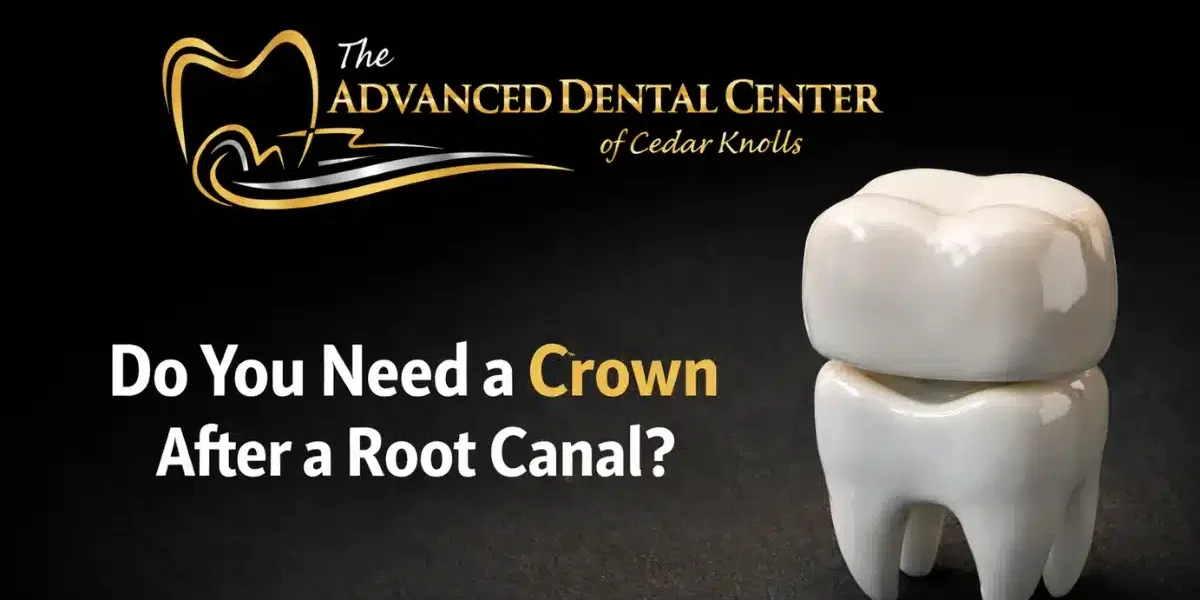
A crown after a root canal acts like a protective helmet. It restores strength, function, and durability.
You typically need a crown if:
A crown is usually recommended if the tooth is a molar or premolar, if a large portion of the tooth was removed, or if it already had a substantial filling or fracture. Additionally, patients who grind or clench their teeth, or use the tooth for heavy chewing, often benefit from the extra protection a crown provides.
Back teeth experience significantly more biting force. Without a crown, they are at a higher risk of splitting.
Do All Root Canals Need a Crown?
Not always, but many do.
Cases where a crown is usually required:
- Molars and premolars
- Teeth with extensive decay
- Teeth with existing cracks or fractures
Cases where a crown may not be necessary:
- Front teeth with minimal damage
- Teeth restored with small composite fillings
- Teeth not exposed to heavy biting forces
Your dentist evaluates this using imaging tools such as cbct scan dental technology to assess internal and external tooth strength.
Why a Crown Is Often Recommended After Root Canal Treatment
Placing a crown after a root canal provides several benefits:
- Prevents fractures
- Restores chewing ability
- Seals the tooth from bacteria
- Improves the long-term success of the root canal
Clinical data from the Cleveland Clinic shows that root-canal-treated teeth restored with crowns last significantly longer than those without.
What Happens If You Don’t Get a Crown After a Root Canal?
Delaying or skipping a crown can lead to serious issues.
Common problems include:
Skipping a crown can lead to serious complications. The tooth may fracture in a way that cannot be repaired, pain can persist months after the root canal, reinfection may occur, and in severe cases, the tooth may need to be extracted.
A cracked tooth often cannot be saved. This may lead to needing alternatives such as affordable dental implants NJ or an affordable dental bridge.
How Long After a Root Canal Should You Get a Crown?
Patients often ask: how long after a root canal to get a crown?
In most cases:
- A crown should be placed within a few weeks
- Temporary protection may be used initially
- Delays increase fracture risk
Some patients receive a temporary crown after a root canal while the final restoration is prepared.
With modern dentistry, options like cerec same day crowns allow crowns to be placed quickly and efficiently.
Does a Crown After a Root Canal Hurt?
A common concern is: does crown after a root canal hurt?
The answer is usually no.
- The nerve has already been removed
- The tooth is typically numb during placement
- Mild soreness is normal but temporary
Pain that persists may indicate bite issues, inflammation, or clenching habits.
Is Pain Normal After Root Canal and Crown Placement?
Mild discomfort can occur, but it should improve within days.
Possible causes of pain:
- Bite misalignment
- Gum irritation
- Inflammation around the tooth
Persistent dental crown pain after root canal should be evaluated promptly to avoid complications.
What to Eat After a Root Canal Before Crown Placement
Patients often ask: What to eat after a root canal before a crown?
Recommended foods:
During the period between your root canal and crown placement, it’s best to stick to soft foods such as soups, yogurt, and scrambled eggs. Hard or sticky foods should be avoided, and try not to chew on the treated side to protect your tooth.
Protecting the tooth during this phase is essential.
Crown vs Other Restorative Options After Root Canal
In some cases, patients ask about alternatives.
| Restoration Type | Strength | Protection | Longevity |
| Crown | High | Full | Long-term |
| Filling | Low | Partial | Short-term |
| Inlay/Onlay | Moderate | Partial | Medium |
For partial restorations, inlay or onlay restorations may be considered in specific cases, but crowns remain the gold standard for most root-canal-treated teeth.
Types of Crowns Used After Root Canal
Different materials may be used depending on location and function.
Common options include:
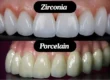
- porcelain/ceramic dental crowns
- Zirconia
- E.max restorations
Front teeth may prioritize aesthetics, while back teeth focus on strength.
Can a Tooth Hurt Months After a Root Canal Without a Crown?
Yes. Tooth pain months after a root canal without a crown is a red flag.
Possible reasons include:
- Micro fractures
- Bacterial leakage
- Bite stress
Ignoring symptoms can result in tooth loss.
Signs You May Need Further Treatment After a Crown
Patients also ask about signs you need a root canal after a crown.
Watch for:
- Persistent pain
- Swelling
- Sensitivity to pressure
Early evaluation can prevent extensive treatment.
How Crowns Compare to Veneers for Root Canal Teeth
Veneers are cosmetic. Crowns are structural.
If you are researching veneers, resources such as:
are helpful, but veneers are not designed to protect root-canal-treated teeth.
For long-term stability, crowns remain the preferred solution.
Technology and Precision in Crown Placement
Modern dentistry uses digital tools to ensure accuracy.
Advanced imaging and planning allow:
- Better fit
- Reduced discomfort
- Improved longevity
This technology supports comprehensive care across services such as family dental care, teeth bonding, and full mouth rehabilitation.
Emergency Situations and Root Canal Protection
If a treated tooth fractures or becomes painful suddenly, seek dental urgent care immediately.
Early intervention can often save the tooth.
Local Care in Cedar Knolls, NJ
Patients in Cedar Knolls and nearby communities benefit from personalized treatment planning. Whether restoring a single tooth or coordinating complex care, local experience matters.
Our team routinely treats patients needing crowns, root canal follow-ups, and advanced restorative solutions in Cedar Knolls, NJ.
Frequently Asked Questions
Do I always need a crown after a root canal?
Most back teeth do. Front teeth may not, depending on the damage.
How soon after a root canal can you get a crown?
Often within a few weeks, sometimes sooner.
Can I chew normally without a crown?
Not safely. The tooth is weaker.
Will a crown make my tooth last longer?
Yes. Significantly.
Final Thoughts: Protect Your Tooth the Right Way
A root canal removes infection, but a crown protects the tooth in the long term. Skipping this step increases the risk of fracture, pain, and tooth loss.
If you have questions about next steps, timing, or restoration options, a professional evaluation can give you clarity and peace of mind.
Book Your Consultation
If you are considering treatment or need guidance after a root canal, schedule a consultation with The Advanced Dental Center of Cedar Knolls to discuss the best option for your smile.