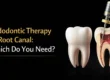

Let’s be honest: recurring tooth pain in your molars can be exhausting. These back teeth handle most of your chewing, so when one starts hurting, it affects meals, sleep, and even your mood.
If your molar has been throbbing and making daily life uncomfortable, you’re not alone. The good news is that endodontic therapy, molar tooth treatment, commonly referred to as a root canal, is a reliable way to eliminate deep infection and save your natural tooth. At The Advanced Dental Center of Cedar Knolls, we guide patients through this process to make it manageable and effective.
What Is Endodontic Therapy for a Molar Tooth?
Endodontic therapy, in simple terms, is the professional name for a root canal. Inside your tooth, beneath the enamel and dentin, lies the pulp, soft tissue containing nerves and blood vessels. While the pulp is crucial during tooth development, adult teeth can survive without it.
Problems arise when bacteria infiltrate this pulp, leading to infection. Common causes include:
- A deep cavity that worsened unnoticed
- Cracks or fractures in the molar
- Injury or trauma to the tooth
- Old dental work that allows bacteria to penetrate
When the pulp becomes infected, it’s not subtle. You might notice persistent throbbing pain, swollen gums, lingering sensitivity to hot or cold, or discomfort while chewing. Endodontic therapy removes the infected pulp, thoroughly cleans the inside of the tooth, and seals it, preventing reinfection. The result is pain relief while keeping your natural tooth intact.
Why Molars Often Need Root Canal Treatment
Molars are particularly prone to needing endodontic therapy. Their position and anatomy make them more susceptible to infection. Molars have deep grooves that trap food and bacteria, making them harder to clean thoroughly. They also bear the brunt of chewing forces, increasing the likelihood of cracks over time.
Because molars sit in the back, cavities may progress unnoticed until pain appears. By then, the infection might already be deep within the tooth.
Common reasons for molar root canal treatment include:
- Severe decay
- Cracks or fractures
- Old fillings deteriorating
- Trauma to the tooth
It’s important to remember that needing treatment is not necessarily a reflection of poor oral hygiene; sometimes, it is simply the result of natural wear, accidents, or bacterial exposure.
Signs You May Need Endodontic Therapy
Your body often signals when something is wrong. Signs that a molar may need endodontic therapy include:
- Sharp or persistent tooth pain
- Pain when biting or chewing
- Sensitivity to hot or cold that lingers
- Swelling or tenderness in the gums
- Discoloration of the affected tooth
- A small bump on the gum near the painful tooth
Paying attention to these warning signs allows you to address the problem early. Early intervention can make treatment faster, easier, and less uncomfortable.
How Molar Root Canal Treatment Works
Understanding the procedure can help reduce anxiety. Here’s what typically happens during treatment:
- The dentist administers local anesthesia to numb the area.
- A small opening is made in the tooth to reach the infected pulp.
- The pulp is carefully removed, and the root canals are cleaned and disinfected.
- The canals are filled with a biocompatible material to prevent bacteria from returning.
- Finally, a crown is usually placed to restore strength and function.
This approach protects the tooth while restoring comfort and chewing ability. Advanced tools and anesthesia make the procedure far less painful than many people expect.
Is Endodontic Therapy for Molar Tooth Painful?
Many patients fear root canals due to outdated perceptions of pain. Modern endodontic therapy is generally well-tolerated. Most patients report sensations similar to a filling, rather than intense pain.
The infection itself is usually far more uncomfortable than the procedure. Mild soreness after treatment is normal and can often be managed with over-the-counter pain relief. The American Dental Association emphasizes that modern techniques prioritize patient comfort and efficiency.
Benefits of Endodontic Therapy Over Extraction
Some patients consider simply removing the tooth. While extraction is an option, preserving your natural tooth has clear advantages:
- Maintains normal chewing function
- Keeps adjacent teeth properly aligned
- Prevents jawbone deterioration
- Preserves your natural smile
- Avoids more complex procedures such as dental implants or bridges
Saving a tooth through endodontic therapy is often the most effective long-term solution, both functionally and financially.
Recovery After Molar Root Canal Treatment
Recovery is usually smooth. Many patients return to normal activities the same day or within 24 hours. Temporary tenderness while chewing is normal and typically resolves within a few days.
It’s important to avoid chewing hard foods on the treated side until the crown is placed. Follow-up visits are crucial to ensure proper healing and long-term protection of the tooth.
How Long Does an Endodontic Therapy Molar Tooth Last?
With proper care, a molar treated with endodontic therapy can last decades, often a lifetime. Key factors include:
- Completing the crown placement recommended by your dentist
- Maintaining consistent oral hygiene
- Regular dental check-ups
Root canals have high success rates, and once healed, treated teeth function and feel like natural teeth.
Preventing Future Molar Root Canal Needs
While it’s impossible to guarantee a tooth will never get infected, you can significantly reduce the risk through:
- Brushing twice daily with fluoride toothpaste
- Daily flossing
- Regular dental cleanings and check-ups
- Prompt treatment of cavities
- Avoiding chewing ice or very hard objects
Small daily habits protect your teeth and prevent major issues in the future.
When to See a Dentist for Molar Tooth Pain
If you experience prolonged pain, swelling, sensitivity, or discoloration, don’t wait. Dental infections rarely resolve on their own. Seeing a dentist promptly can simplify treatment, reduce discomfort, and improve outcomes.
For residents of Cedar Knolls, NJ, our Cedar dentist team provides expert care, including molar endodontic therapy, crowns, and full-mouth rehabilitation.
Comparison: Endodontic Therapy vs Extraction
| Feature | Endodontic Therapy | Extraction |
| Preserves natural tooth | Yes | No |
| Chewing function | Maintained | Reduced |
| Jawbone health | Preserved | Bone loss risk |
| Procedure complexity | Moderate | Simple, replacement may be needed |
| Recovery | Quick, minimal discomfort | Varies, may require replacement |
| Cost | Moderate | Often higher if replacement needed |
| Long-term outcome | High success rate | Replacement required |
This comparison shows that preserving a molar with endodontic therapy is usually the most beneficial option.
Related Treatments to Support Molar Health
In addition to root canal therapy, other treatments may be recommended to maintain long-term tooth health:
- A crown for a broken tooth to protect and restore strength after a root canal
- Permanent veneers or Emax veneers for cosmetic enhancement
- Family dental care for routine preventive visits
- CEREC same-day crowns for immediate restoration when needed
- Teeth bonding for minor structural repairs
These services complement endodontic therapy and ensure a fully functional and aesthetically pleasing smile.
FAQ: Endodontic Therapy for Molar Teeth
Q: What is endodontic therapy for molar tooth treatment?
A: It is the process of removing infected pulp from a molar to relieve pain and save the tooth.
Q: Is it painful?
A: With modern anesthesia, the procedure feels similar to a dental filling.
Q: How long does it take?
A: Typically 1-2 visits, depending on tooth complexity.
Q: Do I always need a crown afterward?
A: Most molars require a crown to restore strength and function.
Q: Can I prevent needing a root canal?
A: Daily brushing, flossing, regular check-ups, and early cavity treatment reduce the risk.
Conclusion: Take Action on Molar Pain
Persistent molar pain signals a dental problem that needs attention. Endodontic therapy for molar teeth removes infection, alleviates pain, and preserves natural teeth. With proper care, these teeth can last a lifetime while maintaining function and appearance.
Schedule a consultation at The Advanced Dental Center of Cedar Knolls to protect your teeth, prevent complications, and restore comfort to your smile.