When patients ask about the ceramic vs metal crown choice, they usually want a clear, simple answer. They want to know which option looks better, which lasts longer, and which one a dentist would choose for their specific tooth. The decision is not the same for everyone, and the right option depends on tooth location, bite forces, and your personal priorities.
This guide explains the difference between ceramic and metal crown options in a patient-friendly way. Every question is answered directly, using research-backed information from reputable dental sources, including the American Dental Association, Mayo Clinic, and Cleveland Clinic. By the end, you will know exactly how these crowns compare in terms of strength, appearance, and long-term performance.
If you are already learning about restorations, you may also find it helpful to explore topics like how we can make your teeth white or situations where patients combine crowns with elective treatments, such as porcelain veneers, before and after results. Understanding your full smile situation helps us choose the most natural and predictable solution.
Let us begin by understanding what crowns actually do and why the ceramic vs metal crown decision matters.
What Is a Dental Crown and Why Might You Need One
A dental crown is a strong, protective covering placed over a weakened or damaged tooth. It restores the tooth’s shape, function, and appearance. Dentists recommend crowns for several clinical reasons, including:
• A tooth with large decay
• Cracked or fractured teeth
• A tooth that has had endodontic therapy
• Teeth worn down from grinding
• Teeth with structural weakness
• Improving the appearance of a damaged tooth
If you have multiple teeth that need rebuilding, comprehensive treatment options such as full mouth rehabilitation may also be considered. Patients with bite problems, wear, or jaw discomfort sometimes require a more complete approach that includes both restorative and functional planning. In those cases, we often evaluate your joint and muscle function and may recommend supportive therapies like TMJ pain relief if needed.
Now that you know when a crown is recommended, let’s look at what separates ceramic crowns from metal crowns.
What Is the Difference Between Ceramic and Metal Crowns
The difference between ceramic and metal crown materials comes down to appearance, composition, strength, and long-term performance. Although both restore the tooth effectively, they behave differently inside the mouth.
Below is a detailed explanation of each type.
Ceramic Crowns
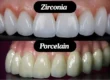
Ceramic crowns are made entirely from porcelain or high-strength ceramics. They are designed to match the natural color of teeth and allow light to pass through them in a way that mimics real enamel. This is why ceramic crowns are commonly recommended for teeth that show when you smile.
Ceramic crowns are often chosen by patients who want the most natural appearance possible. They also work well for people who are sensitive to metal materials. Modern ceramics, such as zirconia, have significantly improved durability and are commonly used for patients who want strong, tooth colored restorations.
Patients who are rebuilding their smile sometimes combine ceramics with cosmetic options such as permanent veneers.
Metal Crowns
Metal crowns are created from gold alloy, palladium, or other strong metal blends. They have been used in dentistry for many decades and are known for exceptional strength and longevity. When a tooth must withstand heavy chewing pressure, the metal crown remains one of the most durable choices.
Metal crowns are typically placed on molars, where appearance is not a priority. For patients who grind or clench their teeth, metal often provides superior protection because it can tolerate stronger bite forces without chipping or cracking.
Some patients also choose metal crowns when they need a predictable long-term restoration. Many metal crowns last twenty to thirty years or more, especially if the tooth is well-maintained.
Ceramic vs Metal Crown Comparison Table
The table below gives a clear and direct comparison for patients evaluating the ceramic vs metal crown choice.
| Feature | Ceramic Crowns | Metal Crowns |
| Appearance | Tooth colored and natural | Silver or gold, very visible |
| Strength | Strong but more prone to chipping than metal | Extremely durable |
| Best Use | Front teeth and visible areas | Back molars under heavy force |
| Longevity | Long-lasting with proper care | Often the longest lasting |
| Tooth Removal | More removal needed | Less removal needed |
| Allergy Risk | No metal sensitivity | Rare metal allergies |
| Biocompatibility | Excellent gum response | Good gum response |
| Aesthetic Shadow | No dark line | Possible gray tint near gums |
This overview makes it easier to understand why dentists recommend ceramic for visible teeth and metal for molars that must handle strong chewing pressure.
Ceramic Crowns: Advantages and Limitations
Ceramic crowns offer several benefits, especially for teeth that show when you speak or smile.
Advantages of Ceramic Crowns
• Looks like natural teeth
• Excellent match with your existing shade
• No dark shadow at the gumline
• Ideal for front teeth
• No metal sensitivities
• Gums respond well to ceramic materials
• Blend seamlessly with cosmetic veneers or bonding
Patients who want a uniform smile often pair ceramic crowns with treatments such as teeth bonding, clip-on teeth veneers, dental facings, or modern systems like porcelain or ceramic dental crowns if they want consistent shade and symmetry.
Limitations of Ceramic Crowns
• Ceramic may chip or crack under excessive force
• Not always ideal for heavy grinders
• Requires slightly more tooth preparation
• Durability is excellent, but not typically stronger than metal
If a patient grinds their teeth at night, we often recommend a protective appliance. People who frequently clench their jaw may also explore therapeutic support through TMJ pain relief or consult on whether a high-strength ceramic, such as zirconia, is a better choice.
Metal Crowns: Advantages and Limitations
Metal crowns remain the strongest and most fracture-resistant option in dentistry.
Advantages of Metal Crowns
• Extremely strong
• Rarely chip
• Require less tooth removal
• Excellent for heavy chewing
• Long-lasting with proper oral care
• Ideal for patients with deep bites or strong jaw muscles
Metal crowns are often used for back molars that you rely on for chewing tougher foods. Their durability also makes them suitable for patients who clench or grind their teeth overnight. When combined with preventive care and routine monitoring, they are among the longest-lasting restorations available.
Limitations of Metal Crowns
• Not tooth colored
• Visible when smiling
• Can create a gray tint at the gumline
• Very rare metal sensitivities
For front teeth, metal crowns are generally avoided because of appearance. Patients seeking a balanced smile are usually better suited to ceramic options or solutions that involve both crowns and veneers, depending on the condition of each tooth.
Metal vs Ceramic Crown Durability
Durability is one of the most frequently asked questions, and it is one of the most important factors in your decision.
Why Metal Is More Durable
Metal crowns resist fracture better than ceramic. They flex slightly under pressure instead of cracking. This makes them ideal for:
• Molars exposed to bite forces
• Deep bites
• Patients who chew aggressively
• People who grind their teeth at night
Some patients also restore teeth with metal crowns and then improve their visible teeth with cosmetic options, such as Emax veneers, depending on their goals.
How Ceramic Crowns Have Improved
Modern ceramic systems are much stronger than those used years ago. Zirconia crowns in particular demonstrate high fracture resistance and are commonly used for both front and back teeth when appearance matters. These systems are frequently recommended in cosmetic smile design and restorative dentistry.
Factors That Affect Crown Longevity
• Oral hygiene practices
• Grinding or clenching habits
• Gum health
• Accuracy of preparation
• Quality of the fit
• Regular dental checkups
Our team uses advanced diagnostic tools, including CBCT scans, to evaluate the tooth and surrounding structures. This ensures precise planning before crown placement.
Advantages of Ceramic Over Metal Crown
Patients often ask about the advantages of ceramic over metal crown choices, specifically for cosmetic reasons. The biggest benefit is the natural appearance.
Why Ceramic Is Better for Visible Teeth
• Matches the exact shade of your natural enamel
• No shadowing at the gumline
• Light passes through it like real tooth structure
• Ideal for smile-focused treatments
Ceramic crowns are commonly recommended when patients want the crown to disappear into their smile. For people who also want long-term cosmetic refinement, ceramic crowns can be paired with options like how we can make your teeth white or the best teeth whitening in NJ for an improved overall appearance.
How Dentists Choose Between Ceramic and Metal Crowns
The decision is based on:
• Tooth location
• Gum visibility
• Bite forces
• Grinding habits
• Tooth structure remaining
• Cosmetic concerns
• Long-term goals
Choose Ceramic Crowns If
• The tooth shows when you smile
• You want the most natural appearance
• You have metal sensitivities
• You want your dental work to blend evenly with veneers
• You care about cosmetic symmetry
Choose Metal Crowns If
• It is a back molar
• You grind or clench heavily
• You want the most durable option
• You want minimal tooth removal
• You want predictable long-term performance
If you want a crown placed in a single visit, our office also offers Cerec same-day crowns using advanced imaging and in-office milling technology.
How We Plan and Prepare Crowns
Every crown begins with a diagnostic evaluation. This may include digital scans, bite analysis, or imaging with a CBCT scan for more complex cases. Proper planning ensures that the crown fits well and protects the tooth.
We also evaluate the tooth’s condition and surrounding structures. If infection or deep decay is present, we may recommend endodontic therapy before placing the crown. This protects the tooth from further complications.
After the evaluation, impressions or scans are taken to ensure precision. The tooth is prepared carefully, shaped for optimal retention, and then restored with either ceramic or metal, depending on your goals.
Patients with complex dental needs may be evaluated for broader options such as affordable dental implants NJ, affordable dental bridge, or removable partial dentures if multiple teeth require replacement.
How to Care for Your Dental Crown
Proper care helps your crown last many years. Recommendations include:
• Brush twice daily with fluoride toothpaste
• Floss daily around the crown
• Avoid biting ice or hard objects
• Wear a nightguard if you grind your teeth
• Visit every six months for cleanings
• Maintain gum health
If a crown ever feels loose or uncomfortable, our team can evaluate it promptly.
Frequently Asked Questions
Which is better, a ceramic or a metal crown?
The answer depends on where the crown is placed. Ceramic is better for visible teeth because it looks natural. Metal is better for molars because it withstands stronger chewing forces. Both are reliable and effective.
Do ceramic crowns break easily?
Ceramic crowns are very strong, especially modern zirconia systems. They can chip under extreme pressure, but normal chewing does not cause problems for most patients.
Are metal crowns more durable?
Yes. Metal crowns remain the strongest and longest-lasting option for back teeth. They resist cracking and handle heavy bite forces well.
Can ceramic crowns be used for molars?
Yes, especially high-strength ceramics. However, your grinding habits and bite evaluation determine whether ceramic or metal is the most predictable option.
How long does a crown last?
With proper care, crowns can last many years. Metal crowns often last the longest. Ceramic crowns also last long, especially when supported by good oral hygiene and routine dental visits.
Crown Treatment for Patients in Cedar Knolls, NJ
At our clinic in Cedar Knolls, NJ, we evaluate each patient individually before recommending ceramic or metal crowns. Our approach is based on your tooth structure, bite alignment, smile goals, and long-term oral health.
We use advanced digital dentistry, custom shade matching, and precision imaging. Whether you need routine restorative care, cosmetic improvements, or complete smile rehabilitation, our team provides comprehensive support. Patients also have access to services such as family dental care, inlay onlay restorations, overdenture locators, and a crown for a broken tooth for a full range of restorative needs.
Conclusion
Ceramic and metal crowns both play important roles in modern dentistry. Ceramic crowns provide the most natural appearance and blend beautifully with your existing teeth. Metal crowns offer unmatched durability and long-term reliability for back molars.
Instead of trying to decide on your own, schedule a consultation so we can evaluate your tooth, discuss your goals, and recommend a solution that supports both function and appearance.For personalized care, visit The Advanced Dental Center of Cedar Knolls for expert guidance and high-quality restorative dentistry.