A PFM crown, also known as a porcelain-fused-to-metal crown, is one of the most trusted and time-tested dental restorations used to repair damaged, weakened, or heavily restored teeth. It combines the strength of a metal substructure with the natural appearance of porcelain, making it a reliable option for patients who need durability without sacrificing everyday function or appearance.
For decades, dentists have relied on PFM crown restorations to protect teeth that can no longer support fillings alone. These crowns are especially common on back teeth, where chewing forces are highest and long-term strength matters most. Patients who need a crown for a broken tooth often ask whether PFM crowns are still a good option compared to newer materials, and in many cases, they absolutely are.
This guide explains everything patients commonly ask about PFM crowns, including how they are made, when they are recommended, how long they last, how they feel in daily life, and how they compare to other crown options available today.
What Is a PFM Crown?
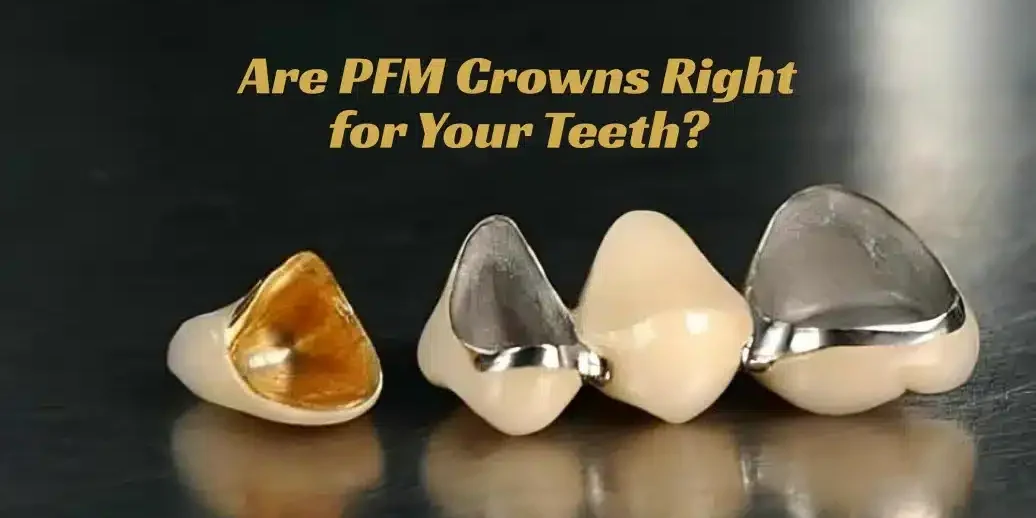
A porcelain-fused-to-metal crown is a full-coverage dental crown made from two bonded materials designed to work together:
- A metal core on the inside that provides strength and structural stability
- A porcelain outer layer that is color-matched to resemble a natural tooth
The metal framework allows the crown to withstand strong biting and chewing forces, while the porcelain coating improves appearance and blends with surrounding teeth. During fabrication, porcelain is fused to the metal at extremely high temperatures, creating a durable chemical and mechanical bond.
Because of this layered design, PFM crowns have been used successfully in restorative dentistry for more than 50 years. They continue to be a dependable solution for patients who prioritize function, longevity, and proven performance.
What Materials Are Used in PFM Crowns?
Metal Alloys Inside PFM Crowns
The inner metal structure of a PFM crown can be made from several types of alloys. The choice depends on strength requirements, biocompatibility, and individual patient needs.
High-noble alloys
- Contain a high percentage of gold or platinum
- Excellent biocompatibility
- Resistant to corrosion
Noble alloys
- Often includes palladium or gold
- Well tolerated by most patients
- Long clinical history
Base metal alloys
- Commonly nickel-chromium or cobalt-chromium
- Extremely strong and durable
- Used when maximum strength is required
Patients with known metal sensitivities should always discuss alloy options with their dentist before treatment. In some cases, alternative restorations such as porcelain/ceramic dental crowns or permanent veneers may be considered.
Porcelain Outer Layer
The porcelain used in PFM crowns is not the same as everyday ceramic. It is specifically engineered to:
- Bond securely to metal
- Withstand oral temperature changes
- Resist wear during chewing
- Match the shade and contour of natural teeth
Although porcelain is durable, it is still more brittle than metal. This is why careful bite evaluation and proper placement are essential for long-term success.
How Is a PFM Crown Placed?
The PFM crown procedure typically takes two dental visits spaced about one to two weeks apart. This allows time for precise fabrication and ensures the crown fits comfortably and functions properly.
First Visit: Tooth Preparation
During your first appointment:
- Local anesthesia is administered to keep you comfortable
- The tooth is reshaped to create space for the crown
- Approximately 1.5–2 mm of tooth structure is reduced
- Digital or traditional impressions are taken
- The tooth shade is selected to match the surrounding teeth
- A temporary crown is placed to protect the tooth
If the tooth has deep decay or nerve involvement, endodontic therapy may be required before crown placement to ensure long-term health.
Second Visit: Crown Placement
At the second appointment:
- The temporary crown is removed
- The permanent crown is checked for fit and bite
- Minor adjustments are made if needed
- The crown is permanently cemented
- Bite alignment is verified for comfort
Once placed, the crown feels and functions much like a natural tooth.
What Are the Advantages of PFM Crowns?
Strength and Durability
One of the most important advantages of PFM crowns is their ability to handle strong chewing forces.
- The metal core provides excellent structural support
- Well-suited for molars and premolars
- Designed to withstand daily wear
- Long history of predictable outcomes
Because of this strength, PFM crowns are often used in complex restorative cases and even as part of full mouth rehabilitation plans.
Proven Clinical Performance
PFM crowns have been studied, tested, and used in dentistry for decades.
- Long-standing success record
- Familiar to dentists worldwide
- Reliable results across a wide range of cases
This proven performance makes them a dependable choice for many patients.
Versatility in Treatment
PFM crowns are used in many restorative situations, including:
- Single tooth restorations
- Dental bridge support
- Teeth with large or failing fillings
- Protection after root canal treatment
They also work well alongside treatments such as inlay or onlay restorations and teeth bonding when multiple restorative needs are present.
What Are the Disadvantages of PFM Crowns?
Aesthetic Limitations
While porcelain improves appearance, PFM crowns do have cosmetic limitations.
- A dark metal line may appear near the gumline over time
- Less light translucency than natural enamel
- Not ideal for highly visible front teeth
Patients who prioritize aesthetics may prefer Cerec same-day crowns or all-ceramic alternatives.
Porcelain Chipping Risk
- Porcelain may chip under excessive force
- Repairs are often not possible once chipping occurs
- Hard biting habits can increase risk
Proper bite adjustment and follow-up care reduce these risks.
Tooth Reduction
- Requires removal of more natural tooth structure
- Preparation is irreversible
- Less conservative than some modern materials
Who Is a Good Candidate for a PFM Crown?
Ideal Candidates
PFM crowns are often recommended for patients who:
- Need crowns on back teeth
- Have strong bite forces or grinding habits
- Need durable, long-lasting restorations
- Do not have metal sensitivities
They are commonly used with affordable dental bridge treatments when replacing missing teeth.
Less Ideal Candidates
PFM crowns may not be the best option for:
- Front teeth with high cosmetic demands
- Patients with thin or receding gum tissue
- Individuals sensitive to metal
- Those seeking the most lifelike appearance
In these cases, Emax veneers and other ceramic options may be discussed.
PFM Crowns vs Other Types of Crowns
| Feature | PFM Crown | All-Ceramic / Zirconia | Full Metal |
| Strength | Excellent | Very Good to Excellent | Excellent |
| Appearance | Good | Excellent | Poor |
| Longevity | 10–15 years | 10–15 years | 20+ years |
| Metal Line | Possible | No | N/A |
| Best Use | Back teeth | Front teeth | Hidden molars |
How Long Do PFM Crowns Last?
With proper care, a PFM crown typically lasts 10 to 15 years, and in many cases, even longer.
Longevity depends on:
- Oral hygiene habits
- Bite alignment
- Grinding or clenching
- Regular dental checkups
Routine exams through family dental care services play a key role in extending crown lifespan.
How to Care for a PFM Crown
Daily Oral Hygiene
- Brush twice daily with fluoride toothpaste
- Floss carefully around crown margins
- Use mouthwash if recommended
Lifestyle Habits
- Avoid chewing ice or hard objects
- Do not use teeth as tools
- Wear a night guard if you grind
- Avoid smoking
Regular Dental Visits
- Professional cleanings every six months
- X-rays to monitor crown health
- Early detection of bite or margin issues
Common Warning Signs to Watch For
Contact your dentist if you notice:
- Pain when chewing
- Sensitivity to hot or cold
- Crown looseness
- Chips or cracks in porcelain
- Darkening near the gumline
Frequently Asked Questions About PFM Crowns
Are PFM crowns safe?
Yes. PFM crowns are considered safe and have been supported by decades of clinical use and research referenced by organizations like the American Dental Association and Mayo Clinic.
Do PFM crowns look natural?
They look more natural than metal crowns but less translucent than all-ceramic options.
Can PFM crowns be used with bridges?
Yes. They are commonly used as abutments for affordable dental bridge restorations.
Are PFM crowns better than veneers?
Crowns restore strength and function, while veneers focus on appearance. Patients comparing dental facings or clip-on teeth veneers should understand this difference.
PFM Crowns and Advanced Dental Technology
Modern dentistry improves crown accuracy using tools such as CBCT scans, dental imaging, and digital impressions. These technologies improve fit, comfort, and long-term success.
Serving Patients in Cedar Knolls, NJ
Patients seeking crowns, veneers, implants, or full mouth rehabilitation can receive comprehensive care from a trusted dentist in Cedar Knolls, NJ. Local expertise ensures personalized treatment plans and consistent follow-up care.
Final Thoughts: Are PFM Crowns Right for You?
PFM crowns remain a reliable and practical solution for restoring damaged teeth, especially where strength and durability are essential. While newer materials offer improved aesthetics, PFM crowns continue to deliver dependable performance backed by decades of success.
The best choice depends on tooth location, bite force, cosmetic goals, and overall oral health. A professional evaluation helps determine the right solution for your smile.
Schedule Your Consultation Today
If you are dealing with a cracked, weakened, or heavily restored tooth, a dental crown may be the right solution. Our experienced team at The Advanced Dental Center of Cedar Knolls provides personalized evaluations, modern treatment options, and long-lasting restorations designed for comfort and confidence.
Contact us today to schedule your consultation and take the next step toward a healthier, stronger smile.