When patients decide to replace a missing tooth with a dental implant, one of the first questions they ask is about recovery. The procedure itself is often straightforward, but the healing period is what determines the long-term success of the implant. Understanding dental implant recovery time helps patients set realistic expectations and feel more confident throughout the process.
The truth is that recovery looks different for everyone. Some people return to normal activities within a day or two, while others require additional healing time depending on the complexity of the procedure, bone quality, and overall oral health. While discomfort after surgery is usually manageable, the biological process happening beneath the gums takes much longer than most patients realize.
A dental implant is not simply placed and immediately fused to the jaw. The body needs time to create a strong bond between the implant and surrounding bone. This process, known as osseointegration, is what gives dental implants their exceptional strength and durability.
If you’re considering dental implants or have recently undergone treatment, this guide explains the healing timeline, recovery milestones, and what you can do to support a successful outcome.
Understanding the Dental Implant Healing Process
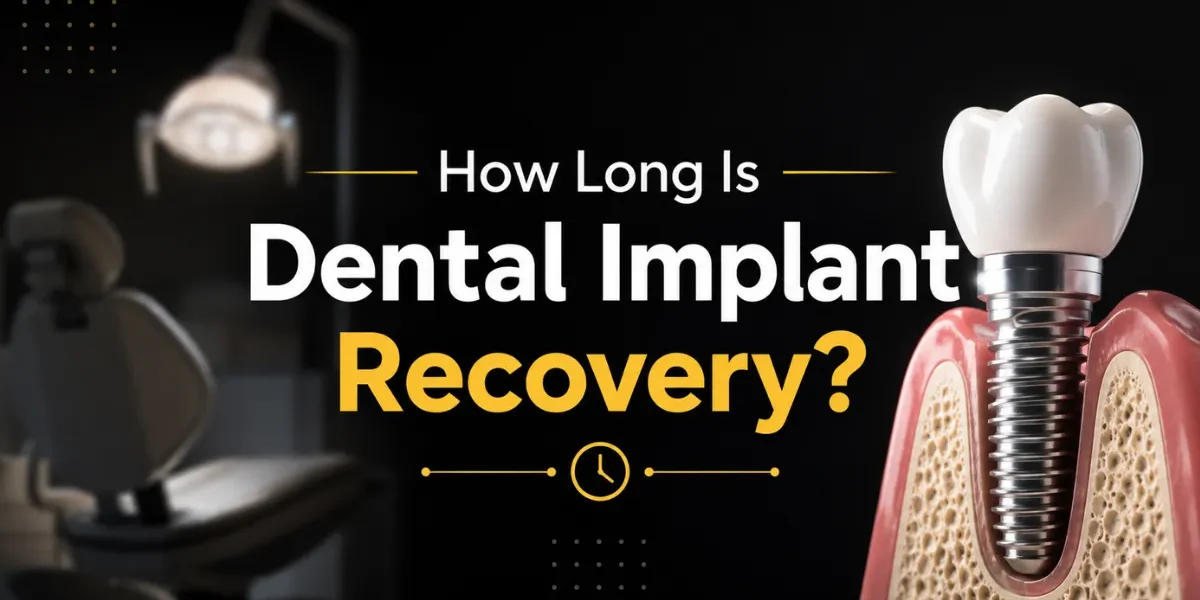
A dental implant consists of a titanium post that serves as an artificial tooth root. During surgery, the implant is placed into the jawbone where it gradually integrates with the surrounding bone tissue.
Unlike natural healing of soft tissues alone, implant recovery involves both gum healing and bone remodeling. While the gums may appear healed within a few weeks, the bone beneath continues adapting around the implant for several months.
The healing process generally occurs in stages:
| Healing Stage | Typical Timeline | What Happens |
| Initial Recovery | First 24-72 hours | Swelling, tenderness, and clot formation |
| Soft Tissue Healing | 1-2 weeks | Gum tissue begins closing around the implant |
| Early Bone Healing | 4-8 weeks | Bone starts integrating with the implant surface |
| Osseointegration | 3-6 months | Implant bonds firmly with the jawbone |
| Final Restoration | After healing | Crown placement and bite adjustments |
Understanding these stages helps explain why dental implant recovery time extends well beyond the first few days after surgery.
The First 24 Hours After Implant Surgery
The first day focuses primarily on protecting the surgical site and minimizing swelling.
Most patients experience mild bleeding immediately after surgery. Small amounts of blood mixed with saliva are completely normal. Applying gentle pressure with gauze helps control this bleeding.
As the local anesthetic wears off, some soreness develops around the implant area. The level of discomfort varies depending on factors such as:
- Number of implants placed
- Bone grafting requirements
- Surgical complexity
- Individual pain tolerance
Many patients are surprised to discover that implant surgery is often less uncomfortable than a tooth extraction.
Anyone who has wondered “Are dental implants painful?” will often find that the recovery is easier than anticipated, especially when proper post-operative instructions are followed.
Swelling usually begins within several hours and reaches its peak during the first two to three days.
Days 2-7: Early Recovery Phase
The first week is when most visible healing occurs.
Swelling and bruising may become more noticeable before gradually improving. Bruising around the cheeks or jaw is not uncommon and generally resolves within one to two weeks.
During this stage, patients should focus on protecting the implant site. Soft foods are usually recommended while avoiding anything excessively hard, crunchy, or sticky.
Common foods during the first week include:
- Yogurt
- Smoothies
- Scrambled eggs
- Mashed potatoes
- Soup
- Oatmeal
Most patients can return to work within one to three days, depending on the nature of their job.
Physical activities should remain limited during the early healing phase since increased blood pressure can contribute to swelling or bleeding.
By the end of the first week, discomfort is usually significantly reduced.
Weeks 2-4: Soft Tissue Recovery
Once the initial soreness subsides, the gums continue healing around the implant.
At this point, many patients mistakenly believe recovery is complete because the area feels much better. However, the most important phase of healing is only beginning.
The jawbone now starts adapting around the titanium implant.
The gums become firmer and healthier, while inflammation continues to decrease. Follow-up visits allow the dentist to evaluate healing and ensure no complications are developing.
This stage is particularly important because proper oral hygiene becomes essential for long-term success.
Patients should carefully clean around the implant area according to their dentist’s instructions while avoiding excessive pressure.
How Long Does It Take for Dental Implants to Heal Completely?
One of the most common questions patients ask is: How long does it take for dental implants to heal?
The answer depends on what type of healing you’re referring to.
Soft tissue healing generally occurs within two to four weeks.
Bone healing takes significantly longer.
Most implants require approximately three to six months for complete osseointegration. During this time, bone cells gradually attach to the implant surface and create a stable foundation capable of supporting chewing forces.
Several factors influence healing speed:
| Factor | Impact on Healing |
| Bone Density | Stronger bones often heal faster |
| Smoking | Can significantly slow recovery |
| Diabetes | May prolong healing |
| Oral Hygiene | Poor hygiene increases complications |
| Bone Grafting | Additional healing time may be needed |
| Overall Health | Healthy patients generally heal faster |
This is why dentists emphasize patience throughout the process.
Although the implant may feel stable much earlier, complete integration requires time.
Recovery After Bone Grafting
Some patients require bone grafting before or during implant placement.
Bone grafting is recommended when there is insufficient jawbone to support the implant properly.
When grafting is involved, recovery time for dental implants may be extended.
Additional healing can range from several weeks to several months depending on the extent of bone augmentation required.
While this may seem frustrating, adequate bone support significantly improves long-term implant success.
Attempting implant placement without enough bone often creates greater complications later.
Dental Implants Recovery Time After Multiple Implants
Patients receiving multiple implants often wonder whether healing takes longer.
In many cases, recovery is surprisingly similar to that of a single implant.
The primary difference is that more surgical sites may lead to:
- Increased swelling
- Greater tenderness
- Additional dietary restrictions
However, the biological process of osseointegration remains largely the same.
Whether one implant or several implants are placed, the bone still requires several months to integrate fully with the implant surfaces.
What Can Delay Dental Implant Healing?
Most implants heal without complications, but certain factors can interfere with recovery.
Smoking remains one of the biggest risk factors.
Nicotine reduces blood flow to healing tissues and can negatively affect bone integration.
Other factors that may delay healing include:
- Poor oral hygiene
- Uncontrolled diabetes
- Gum disease
- Excessive alcohol consumption
- Chronic inflammation
- Premature pressure on the implant
Patients often focus on the surgical procedure itself, but long-term success depends heavily on how well the healing process is protected afterward.
Signs Your Implant Is Healing Properly
Many patients worry about whether their implant is recovering normally.
Positive signs of healing include:
- Gradual reduction in swelling
- Less discomfort each day
- Healthy pink gum tissue
- No persistent bleeding
- Improved comfort when chewing
Most importantly, symptoms should steadily improve rather than worsen.
Minor tenderness during healing is normal.
Sharp pain, increasing swelling, or signs of infection should always be evaluated promptly.
Warning Signs That Require Professional Attention
While complications are uncommon, patients should know when to contact their dentist.
Potential warning signs include:
- Severe pain after several days
- Persistent bleeding
- Fever
- Pus around the implant
- Implant mobility
- Significant swelling after the first week
Early intervention often prevents small issues from becoming larger problems.
Tips to Support Faster Recovery
Although healing follows a natural biological timeline, patients can support recovery through proper care.
Helpful recovery strategies include:
- Follow all post-operative instructions carefully
- Maintain excellent oral hygiene
- Stay hydrated
- Eat nutrient-rich foods
- Avoid smoking
- Limit alcohol consumption
- Attend scheduled follow-up appointments
Patients considering dental implants same day procedures should understand that immediate tooth placement does not eliminate the healing process. Osseointegration still requires several months regardless of how quickly a temporary restoration is attached.
Proper aftercare remains critical.
How Recovery Differs Between Traditional and Same-Day Implants
Traditional implants often heal beneath the gums before a final crown is attached.
Same-day implants allow a temporary tooth to be placed immediately after surgery.
While the appearance differs, healing remains similar.
The implant still needs time to integrate with the jawbone before handling full chewing forces.
The visible tooth may be present from day one, but the underlying biological healing process continues for several months.
Life After Implant Healing
Once osseointegration is complete and the final crown is placed, most patients forget they even have an implant.
A properly healed implant functions much like a natural tooth.
Patients can:
- Eat comfortably
- Speak normally
- Smile confidently
- Maintain normal oral hygiene habits
Understanding the complete dental implant recovery time helps patients appreciate why patience is so important during the healing phase.
The temporary waiting period ultimately leads to a long-lasting, highly functional tooth replacement.
Frequently Asked Questions
How long is dental implant recovery time?
Most patients recover from surgery within one to two weeks, but complete bone healing typically takes three to six months.
How long does it take for dental implants to heal completely?
Soft tissues often heal within a few weeks, while full osseointegration generally requires several months.
Is swelling normal after implant surgery?
Yes. Swelling usually peaks within 48 to 72 hours and gradually improves afterward.
Can I return to work after getting a dental implant?
Many patients return to work within one to three days, depending on the complexity of treatment and job requirements.
What affects recovery time for dental implants?
Factors such as smoking, bone density, overall health, oral hygiene, and bone grafting can influence healing speed.
When can I eat normally again?
Most patients transition back to a regular diet gradually as healing progresses, following their dentist’s recommendations.
Are dental implants safe during healing?
Yes. For most healthy patients, whether dental implants are safe is not a concern when treatment is performed by an experienced provider and proper aftercare instructions are followed.
Final Thoughts
Understanding dental implant recovery time helps set realistic expectations and reduces anxiety throughout treatment. While the initial recovery period is often relatively short, complete healing involves a longer biological process that allows the implant to become securely integrated with the jawbone.
Most patients find the temporary recovery period well worth the long-term benefits of a stable, natural-looking tooth replacement. By following post-operative instructions, maintaining good oral hygiene, and attending follow-up visits, patients can significantly improve healing outcomes and enjoy the lasting success that dental implants are known for.
With patience and proper care, the recovery journey leads to a strong, functional smile that can last for decades.