Dental implants are usually not painful during the procedure because local anesthesia keeps the area completely numb. Some mild soreness after surgery is normal and can be easily managed with medication. Most patients recover comfortably within a few days.
One of the biggest concerns people have before dental implant treatment is fear of pain. The idea of jaw surgery can create anxiety, especially for first-time patients.
In reality, modern dental implant procedures are highly comfortable. With advanced techniques, precise planning, and effective anesthesia, most patients experience little to no pain during treatment and only mild discomfort during recovery.
In fact, many people who undergo implant treatment are surprised to discover the procedure is often more comfortable than having a tooth extracted. Modern techniques, advanced imaging, precise planning, and effective anesthesia have transformed implant dentistry into a predictable and patient-friendly procedure.
That doesn’t mean there is zero discomfort. Like any surgical treatment, some soreness and healing are normal. However, understanding what happens before, during, and after treatment can eliminate much of the anxiety surrounding dental implant pain.
If you are considering implants in Cedar Knolls, this guide explains exactly what to expect, how discomfort is managed, and why most patients find the experience easier than anticipated.
Understanding the Dental Implant Procedure
Before discussing pain, it helps to understand what a dental implant actually is.
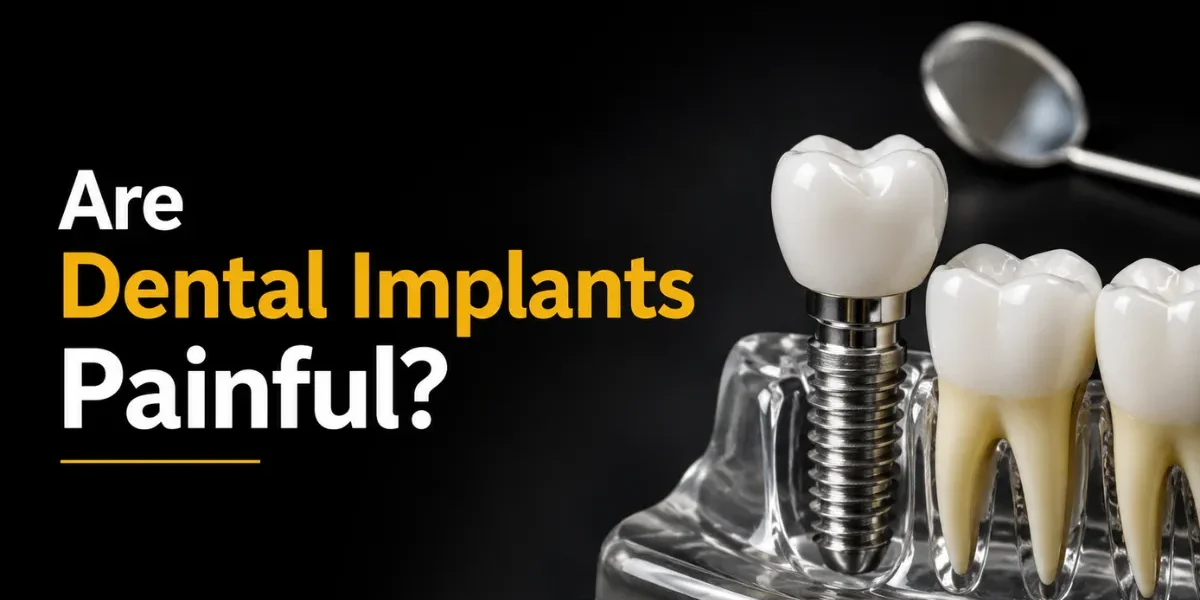
A dental implant is a small titanium post placed into the jawbone to replace a missing tooth root. Over time, the implant integrates with the surrounding bone through a natural process called osseointegration.
Once healing is complete, a custom dental crown is attached to the implant, restoring both appearance and function.
The complete treatment usually involves:
- Initial consultation and digital imaging
- Treatment planning
- Implant placement surgery
- Healing and osseointegration
- Final restoration placement
Many patients researching implants also spend time learning about the dental implant process step by step to better understand how treatment progresses from consultation to final restoration.
Understanding the process often helps reduce anxiety before treatment begins.
Are Dental Implants Painful During Surgery?
The short answer is no.
Patients do not typically feel pain during implant placement.
Before surgery begins, local anesthesia numbs the treatment area completely. The goal is to ensure you remain comfortable throughout the procedure.
You may notice:
- Gentle pressure
- Vibrations
- Movement sensations
- Sounds from dental instruments
However, sharp pain should not occur.
Many patients compare implant surgery to routine dental treatments and are surprised by how straightforward the experience feels.
For individuals with significant dental anxiety, additional comfort options may be available depending on the provider and treatment complexity.
The most common reaction after surgery is not “That was painful.”
It is usually:
“That wasn’t nearly as bad as I expected.”
Why Implant Surgery Often Feels Easier Than Tooth Extraction
This surprises many people.
A damaged or infected tooth often causes discomfort before treatment even begins. During extraction, inflamed tissues may already be sensitive.
Implant placement is different.
Once the site is properly prepared and anesthetized, the procedure is controlled, precise, and planned.
Modern technology allows dentists to evaluate:
- Bone density
- Implant positioning
- Nerve location
- Sinus anatomy
- Surrounding structures
This level of planning reduces surgical trauma and improves patient comfort.
As a result, many patients report less discomfort after implant placement than they experienced with the original failing tooth.
What Does Dental Implant Pain Feel Like After Surgery?
While surgery itself is generally comfortable, some soreness afterward is normal.
Most patients experience symptoms such as:
- Mild swelling
- Tenderness around the implant site
- Minor bruising
- Slight gum irritation
- Pressure sensations during healing
The intensity varies from person to person.
For many patients, dental implant pain feels similar to having a tooth extracted or undergoing another routine oral surgery.
Discomfort is usually most noticeable during the first few days and gradually improves.
The majority of patients return to normal daily activities relatively quickly.
Typical Healing Timeline
Understanding the healing process can help set realistic expectations.
| Time After Surgery | What to Expect |
| First 24 Hours | Mild bleeding, swelling, tenderness |
| Days 2-3 | Peak swelling and soreness |
| Days 4-7 | Significant improvement |
| Week 2 | Most discomfort resolved |
| Several Months | Bone integration continues beneath the surface |
One important thing to remember is that feeling better does not mean healing is complete.
While symptoms improve quickly, the implant continues integrating with the jawbone for several months.
This biological healing process is critical for long-term success.
Factors That Influence Dental Implant Pain
Not every patient has the same experience.
Several factors can affect recovery and comfort levels.
Number of Implants
A single implant typically involves less post-operative discomfort than multiple implants placed during the same appointment.
Bone Grafting
If bone grafting is necessary, healing may involve additional tenderness.
Implant Location
Some areas of the mouth heal differently depending on bone density and surrounding anatomy.
Individual Pain Tolerance
Everyone experiences discomfort differently.
What feels mild to one person may feel more noticeable to another.
Overall Health
Healthy patients often heal more predictably than individuals with certain medical conditions or lifestyle factors that affect recovery.
Do Dental Implants Hurt More Than Other Dental Procedures?
In most cases, no.
Many patients report that implants feel similar to or even easier than:
- Tooth extractions
- Root canal treatment
- Gum surgery
- Wisdom tooth removal
This often surprises people because implants sound more complex.
However, modern implant dentistry is highly controlled and carefully planned.
The reputation of implants being extremely painful is largely outdated and does not reflect what most patients experience today.
Myths vs Facts About Dental Implant Pain
Myth: Dental implants are extremely painful
Fact: Most patients feel only mild discomfort
Myth: Recovery takes weeks of severe pain
Fact: Most soreness improves within a few days
Myth: Implant surgery is worse than tooth extraction
Fact: Many patients find implants easier than extractions
Recovery Tips for Comfort
Successful recovery depends partly on following post-operative instructions carefully.
Dentists typically recommend:
- Use ice packs in first 24 hours
- Eat soft foods for a few days
- Avoid smoking and alcohol
- Maintain gentle oral hygiene
- Take prescribed medication properly
- Rest for 24-48 hours
These simple measures help reduce inflammation and support healing.
Patients who follow instructions closely often experience smoother recoveries and less discomfort overall.
What Foods Should You Eat After Implant Surgery?
Nutrition plays an important role during healing.
During the first several days, softer foods are usually recommended.
Examples include:
- Yogurt
- Smoothies
- Soup
- Mashed potatoes
- Scrambled eggs
- Oatmeal
- Soft pasta
Avoiding hard or crunchy foods protects the surgical site while tissues recover.
As healing progresses, normal eating habits gradually return.
Patients interested in maintaining overall oral health often also explore topics such as how to get perfectly white teeth as part of a broader smile improvement plan.
When to Contact Your Dentist
Some discomfort is expected.
However, worsening pain may indicate a problem requiring professional evaluation.
Contact your dentist if you experience:
- Increasing pain after several days
- Significant swelling that continues worsening
- Persistent bleeding
- Fever
- Unusual discharge
- Difficulty swallowing
- Implant mobility
Most complications are uncommon, especially when treatment is properly planned and patients follow instructions.
Still, recognizing warning signs helps ensure prompt intervention if needed.
The Emotional Side of Implant Anxiety
Many fears surrounding implant treatment have less to do with actual pain and more to do with uncertainty.
People often worry because they have never experienced implant surgery before.
Questions such as:
- Will I be awake?
- How much will I feel?
- What if something goes wrong?
- How long will recovery take?
These concerns are completely normal.
The good news is that modern implant dentistry is one of the most predictable procedures in restorative dentistry.
A thorough consultation usually answers most questions and helps patients feel significantly more confident before treatment begins.
Long-Term Comfort After Healing
One of the biggest benefits of implants is how natural they feel once healing is complete.
Unlike removable appliances, implants become integrated with the jawbone and function similarly to natural tooth roots.
Patients often report that after healing:
- Eating feels normal
- Speaking feels natural
- Chewing becomes easier
- Confidence improves
- Daily awareness of the implant disappears
The goal is not simply to replace a tooth.
The goal is restoring function so effectively that patients stop thinking about the missing tooth altogether.
Benefits of Choosing Dental Implants
Beyond replacing missing teeth, implants offer several long-term advantages.
Improved Function
Implants restore chewing efficiency and support normal speech patterns.
Bone Preservation
Unlike some alternatives, implants stimulate the jawbone and help reduce bone loss.
Long-Term Stability
With proper care, implants can provide many years of reliable function.
Natural Appearance
Modern restorations are designed to blend naturally with surrounding teeth.
Enhanced Confidence
Many patients feel more comfortable smiling, eating, and speaking after treatment.
For patients comparing restorative options, questions such as Is getting a crown painful often arise because crowns are frequently used as part of implant restoration after healing is complete.
What Patients Say After Dental Implants
Interestingly, many implant patients share similar feedback after recovery.
Common comments include:
- It was easier than I expected. The pain was very manageable.
- I was nervous, but recovery was smoother than I thought.
- Losing the tooth hurts more than the implant procedure itself.
While every patient is different, these experiences reflect the reality that modern implant dentistry is often far less intimidating than people imagine.
Frequently Asked Questions
Are dental implants painful during surgery?
No. Local anesthesia keeps the treatment area numb, so patients typically feel pressure rather than pain.
How long does dental implant pain last?
Most soreness improves significantly within a few days and continues to decrease over one to two weeks.
Do dental implants hurt more than extractions?
Many patients report that implant placement feels similar to or easier than tooth extraction.
Can I return to work after implant surgery?
Many people return to normal activities within a day or two, depending on the complexity of treatment.
Is swelling normal after implant placement?
Yes. Mild swelling is common during the first few days and usually improves quickly.
When should I call my dentist about pain?
If pain becomes worse instead of better, or if significant swelling, fever, or bleeding develops, contact your dentist promptly.
Final Thoughts
So, are dental implants painful?
For most patients, the answer is far less dramatic than they expect.
Modern implant dentistry is designed to minimize discomfort through advanced planning, precise surgical techniques, and effective anesthesia. While some soreness during recovery is normal, severe pain is not the typical experience.
Most patients find that implant treatment is easier than anticipated and well worth the temporary healing period.
If you are considering dental implants in Cedar Knolls and feel concerned about pain, the best step is a professional consultation. Your dentist can explain the process, assess your case, and ensure your treatment is as comfortable and predictable as possible.
Modern implant dentistry is designed to make tooth replacement safe, smooth, and far easier than most patients expect.