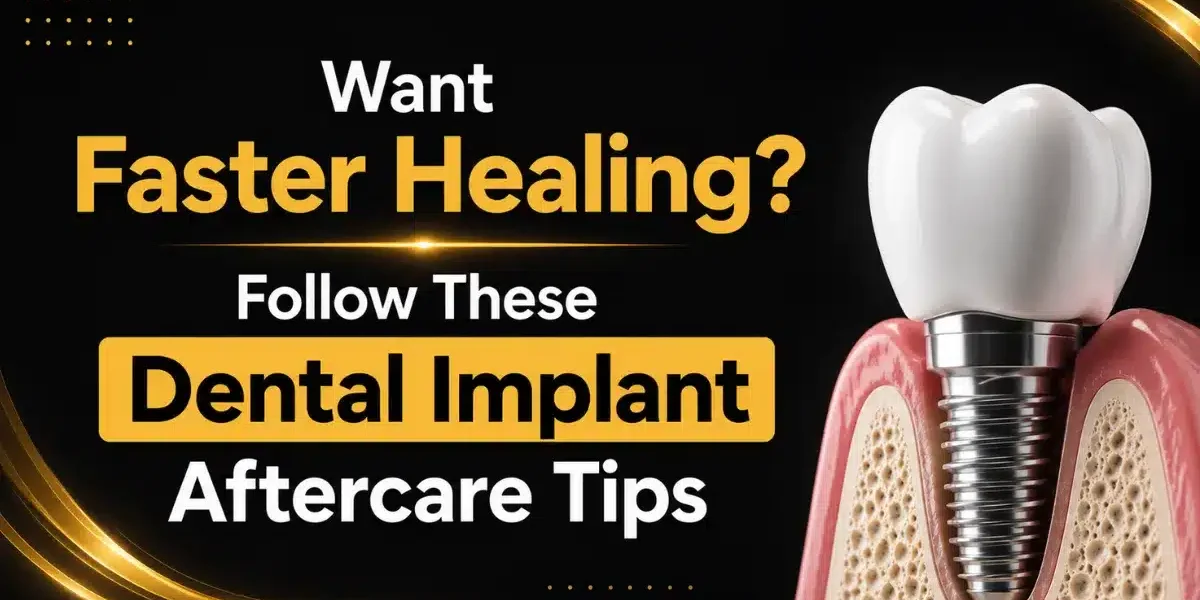
Getting a dental implant is an exciting step toward restoring your smile, but the procedure is only part of the journey. What happens after surgery plays an equally important role in determining how successfully your implant heals. Following the right dental implant aftercare routine helps reduce discomfort, lowers the risk of complications, and supports long-term success.
Many patients worry about what they should or shouldn’t do once they leave the dental office. Questions about brushing, eating, exercising, swelling, and healing are common. Fortunately, recovering from dental implant surgery is usually straightforward when you follow your dentist’s instructions and give your mouth the care it needs.
If you’re preparing for treatment or you’ve recently had implant surgery, understanding post dental implant care can help you recover more comfortably and confidently. In this guide, you’ll learn practical, evidence-based aftercare tips, common mistakes to avoid, and expert recommendations on how to heal faster after dental implants.
Why Dental Implant Aftercare Matters
A dental implant isn’t simply placed into the jaw and forgotten. Once the titanium implant is inserted, your body begins a remarkable healing process known as osseointegration. During this stage, the surrounding bone gradually grows around the implant surface, creating a stable foundation for the future restoration.
This healing period determines whether the implant becomes securely integrated with your jawbone. Poor oral hygiene, smoking, excessive pressure on the implant, or ignoring aftercare instructions can interfere with healing and increase the risk of complications.
Proper aftercare dental implants routines help:
- Reduce swelling and inflammation.
- Lower the risk of infection.
- Protect the surgical site.
- Encourage healthy bone healing.
- Improve long-term implant stability.
- Support a faster and more comfortable recovery.
While dental implants have an excellent long-term success rate, patients who actively participate in their recovery generally experience smoother healing and better outcomes.
What to Expect Immediately After Surgery
Knowing what is normal after implant surgery helps reduce unnecessary anxiety.
During the first few hours, the local anesthetic gradually wears off. Mild discomfort, slight bleeding, and swelling are all expected responses as your body begins repairing the surgical area.
Some patients notice:
- Mild bleeding or blood-tinged saliva.
- Swelling around the gums and cheeks.
- Minor bruising.
- Tenderness while chewing.
- Temporary stiffness when opening the mouth.
These symptoms usually peak within the first two to three days before gradually improving.
If you’re wondering whether discomfort is normal, our guide on Are dental implants painful? explains what most patients experience during recovery and why modern implant procedures are generally much more comfortable than expected.
The First 24 Hours: The Most Important Stage
The first day after surgery sets the tone for healing. Your body is working to form a stable blood clot around the implant site, which protects the underlying bone and tissues.
During this period, your main goal is to avoid disturbing the surgical area.
Bite Gently on Gauze
Your dentist may ask you to bite on gauze for a short period after surgery to control minor bleeding.
Replace the gauze only if necessary and avoid excessive spitting, as repeated suction can dislodge the developing blood clot.
Apply Cold Compresses
Swelling is a natural inflammatory response.
Applying an ice pack to the outside of your face for approximately 15–20 minutes at a time during the first day may help minimize swelling and improve comfort.
Rest
Many people underestimate how much healing the body performs during the first 24 hours.
Take the remainder of the day off from strenuous activities and allow your immune system to focus on repairing the surgical site.
Managing Pain and Swelling
Most patients describe implant recovery as more manageable than they expected.
Discomfort often reaches its highest level during the first 48 hours before steadily improving.
Several simple habits can make recovery easier.
| Aftercare Tip | Why It Helps |
| Apply cold compresses | Reduces swelling during the first day |
| Sleep with your head elevated | Minimizes fluid accumulation |
| Take medications as prescribed | Controls discomfort and inflammation |
| Stay hydrated | Supports tissue repair |
| Avoid smoking | Promotes healthy blood circulation |
Keeping your head slightly elevated while sleeping during the first couple of nights may also reduce morning swelling.
Eating During Recovery
Nutrition plays a surprisingly important role in implant healing.
Your body needs protein, vitamins, and minerals to repair tissues and promote bone growth. At the same time, the surgical area needs protection from excessive chewing forces.
During the first several days, focus on foods that require very little chewing.
Good options include:
- Yogurt
- Mashed potatoes
- Scrambled eggs
- Smooth soups
- Oatmeal
- Cottage cheese
As healing progresses, you can gradually introduce firmer foods according to your dentist’s recommendations.
Patients often ask how long dietary restrictions last. Our detailed guide on how long it takes to get dental implants also explains how recovery stages influence when normal eating typically resumes.
Oral Hygiene After Implant Surgery
One of the biggest misconceptions is that brushing should be avoided after implant surgery.
In reality, maintaining good oral hygiene is essential for preventing bacterial buildup.
The key is cleaning your mouth gently while protecting the surgical site.
During the first day, your dentist may recommend avoiding brushing directly over the implant.
After that, gentle cleaning usually becomes part of your recovery routine.
Good oral hygiene practices include:
- Brushing the surrounding teeth carefully.
- Using a soft-bristled toothbrush.
- Avoiding aggressive scrubbing near the implant.
- Following any prescribed mouth rinse instructions.
- Keeping the rest of the mouth clean.
As healing progresses, normal brushing habits can gradually resume.
Foods That Support Faster Healing
Healing requires more than simply avoiding hard foods.
Certain nutrients actively support tissue repair and bone regeneration.
Protein is especially important because it provides the building blocks needed for new tissue formation.
Some excellent recovery-friendly foods include:
| Nutrient | Food Sources | Benefits |
| Protein | Eggs, Greek yogurt, fish | Tissue repair |
| Vitamin C | Soft fruits, smoothies | Collagen production |
| Calcium | Dairy products, fortified alternatives | Bone health |
| Vitamin D | Eggs, fortified foods | Calcium absorption |
| Zinc | Beans, lean meats | Immune support |
A balanced diet often contributes more to recovery than many patients realize.
Habits That Can Slow Healing
Even a perfectly placed implant can struggle if unhealthy habits interfere with healing.
Avoiding these common mistakes during recovery significantly improves the chances of long-term success.
Smoking
Smoking restricts blood flow to healing tissues.
Reduced circulation slows oxygen delivery and interferes with bone integration, making smoking one of the most significant risk factors for implant complications.
Alcohol
Alcohol may delay tissue healing and can interfere with certain prescribed medications.
Limiting alcohol consumption during the early healing phase is generally recommended.
Vigorous Exercise
Heavy lifting, running, or intense workouts can temporarily increase blood pressure, which may contribute to swelling or bleeding during the first few days.
Walking is usually acceptable, but strenuous exercise should wait until your dentist advises it’s safe.
Touching the Implant
Many patients instinctively explore the area with their tongue or fingers.
Repeatedly touching the surgical site can introduce bacteria and irritate healing tissues.
Signs Your Implant Is Healing Normally
Recovery varies slightly from person to person, but most patients notice steady improvement each day.
Healthy healing often includes:
- Gradually decreasing swelling.
- Reduced tenderness after several days.
- Healthy pink gums around the implant.
- Improving comfort while eating soft foods.
- No persistent bleeding.
Healing is rarely completely symptom-free, but gradual improvement is an encouraging sign that your body is responding well.
When You Should Contact Your Dentist
Although complications are uncommon, it’s important to recognize warning signs early.
Contact your dental provider if you experience:
- Severe or worsening pain after several days.
- Persistent heavy bleeding.
- Increasing swelling after the third day.
- Fever or signs of infection.
- Push around the implant.
- A loose-feeling implant.
- Difficulty swallowing or breathing.
Prompt evaluation allows potential issues to be addressed before they become more serious.
How to Heal Faster After Dental Implants
One of the first questions patients ask after surgery is how they can speed up recovery. While it’s impossible to rush the body’s natural healing process, there are several proven ways to support healthy tissue repair and encourage successful implant integration.
The key is consistency. Small daily habits often have a much greater impact than any single product or home remedy.
Here are some of the most effective ways to support healing:
- Follow every aftercare instruction provided by your dentist.
- Keep the surgical site clean without disturbing it.
- Eat a nutrient-rich diet that supports bone and tissue repair.
- Stay well hydrated throughout the day.
- Get adequate sleep each night.
- Avoid smoking and tobacco products.
- Attend every scheduled follow-up appointment.
Many patients notice steady improvement because they combine these habits rather than relying on one solution alone. Healing is a gradual biological process, and supporting your body’s natural ability to recover is the safest approach.
Week-by-Week Dental Implant Recovery Timeline
Every patient heals differently depending on age, overall health, bone quality, and the complexity of the procedure. However, most recoveries follow a similar pattern.
| Recovery Stage | What Usually Happens |
| First 24 Hours | Mild bleeding, swelling, tenderness, clot formation begins |
| Days 2-3 | Swelling usually reaches its peak before improving |
| Days 4-7 | Pain continues decreasing, gums begin closing over the implant |
| Week 2 | Most patients resume many normal daily activities |
| Weeks 3-8 | Bone continues healing beneath the gums |
| Months 3-6 | Osseointegration strengthens and implant becomes stable |
| Final Stage | Abutment and permanent crown are placed after successful healing |
Although the gums often appear healed within a few weeks, the bone continues strengthening around the implant for several months. This hidden healing process is what gives dental implants their exceptional long-term stability.
The Importance of Follow-Up Appointments
Some patients assume that once the surgery is complete, there is little need to return unless something feels wrong. In reality, follow-up visits are one of the most important parts of post dental implant care.
During these appointments, your dentist evaluates how well the implant is integrating with the surrounding bone and ensures that the gums are healing as expected.
A follow-up examination may include:
- Checking for signs of infection.
- Evaluating gum health.
- Monitoring implant stability.
- Assessing bite alignment.
- Confirming successful bone integration.
Even if you feel perfectly fine, these visits allow small concerns to be identified before they become larger problems.
Common Mistakes That Can Delay Healing
Most implant complications are preventable. Understanding the mistakes that commonly interfere with recovery allows patients to avoid unnecessary setbacks.
Brushing Too Aggressively
Good oral hygiene is essential, but scrubbing directly over the implant too soon may irritate healing tissues.
A soft toothbrush and gentle technique help keep the area clean while protecting the surgical site.
Eating Hard Foods Too Soon
Crunchy foods, nuts, popcorn, hard bread, and sticky candies can place excessive pressure on the healing implant.
Waiting until your dentist recommends returning to a regular diet helps protect the implant during its most vulnerable stage.
Skipping Medications
If antibiotics or anti-inflammatory medications have been prescribed, they should be taken exactly as directed.
Stopping medication early or forgetting doses may increase the risk of infection or unnecessary discomfort.
Ignoring Swelling
Some swelling is completely normal. However, swelling that continues worsening several days after surgery should never be ignored.
Contacting your dental office early often prevents more significant complications.
Lifestyle Habits That Improve Implant Success
Successful implant recovery isn’t limited to what happens inside the mouth. Your overall health plays a significant role in healing.
Several lifestyle habits can positively influence your recovery.
Prioritize Sleep
Most tissue repair occurs while you’re sleeping.
Aim for seven to nine hours of quality sleep each night during the first few weeks after surgery.
Stay Hydrated
Water supports circulation, nutrient delivery, and tissue regeneration.
Dehydration may slow recovery and contribute to dry mouth, which can encourage bacterial growth.
Maintain Balanced Nutrition
Your body requires protein, vitamins, healthy fats, and minerals to rebuild bone and soft tissue.
Instead of focusing only on what you should avoid, try building meals around healing-friendly foods.
Manage Stress
High stress levels may contribute to teeth grinding, poor sleep, and slower healing.
Simple activities like walking, meditation, breathing exercises, or reading can help reduce tension during recovery.
Long-Term Dental Implant Maintenance
Healing doesn’t end once your permanent crown is attached.
Dental implants can last for decades when they’re properly maintained.
Fortunately, caring for implants is very similar to caring for natural teeth.
Long-term maintenance includes:
- Brushing twice daily.
- Flossing around the implant.
- Using interdental brushes when recommended.
- Visiting your dentist for routine examinations.
- Receiving regular professional cleanings.
Although implants cannot develop cavities, the surrounding gums remain susceptible to inflammation if plaque is allowed to accumulate.
Keeping the tissues healthy protects both the implant and the supporting bone.
A confident smile is about more than replacing missing teeth. Many patients also explore cosmetic improvements after completing implant treatment. If you’re interested in enhancing your overall smile, our guide on how to get perfectly white teeth offers practical advice for maintaining a brighter appearance alongside your restored smile.
Can Existing Dental Work Affect Implant Planning?
Dental implants are often part of a broader treatment plan.
Some patients already have crowns, veneers, or other restorations that may influence how the final implant restoration is designed.
Your dentist evaluates your bite, surrounding teeth, and overall smile before placing the final crown to ensure a natural appearance and balanced function.
Patients who have previously explored cosmetic dentistry often wonder how different restorative options compare. While implants replace missing teeth, treatments like veneers cost are designed for improving the appearance of existing healthy teeth, making them suitable for entirely different situations.
Frequently Asked Questions
How long does dental implant recovery usually take?
Most patients feel significantly better within one to two weeks. However, complete bone healing typically takes three to six months before the implant is fully integrated.
How can I heal faster after dental implants?
Following proper dental implant aftercare, eating nutritious foods, staying hydrated, maintaining excellent oral hygiene, avoiding smoking, and attending follow-up appointments all help support faster healing.
Is swelling normal after implant surgery?
Yes. Mild swelling is expected and usually peaks within the first 48 to 72 hours before gradually improving.
When can I brush my teeth after implant surgery?
Most patients can carefully brush the surrounding teeth the following day while avoiding direct contact with the surgical site until instructed otherwise by their dentist.
What foods should I avoid after dental implant surgery?
Hard, crunchy, sticky, spicy, and extremely hot foods should generally be avoided during the early healing period to prevent unnecessary irritation.
Can dental implants fail if aftercare is ignored?
Although implant success rates are very high, poor oral hygiene, smoking, untreated infection, and failure to follow aftercare instructions can increase the risk of implant complications.
When should I contact my dentist?
You should seek professional advice if you experience severe pain that worsens instead of improving, excessive bleeding, fever, pus, persistent swelling, or any sensation that the implant feels loose.
Final Thoughts
Recovering from implant surgery is usually much smoother than many patients expect. While the implant itself provides a long-term solution for replacing missing teeth, the weeks following surgery are critical for ensuring lasting success.
Good dental implant aftercare isn’t complicated, but it does require consistency. Protecting the surgical site, maintaining excellent oral hygiene, eating nutritious foods, staying hydrated, and attending regular follow-up visits all contribute to healthy healing.
It’s also important to remember that healing continues beneath the gums long after the visible tissues have recovered. Giving your implant enough time to integrate with the jawbone creates the stable foundation needed for years of comfortable function.
If you ever have questions during recovery, don’t hesitate to contact your dental team. Early guidance can provide reassurance, address concerns before they become problems, and help you enjoy the full benefits of your dental implant for many years to come.